The biggest truck on the lot is often the most expensive mistake you can make. It’s easy to assume you need a massive box truck for every relocation. In reality, about 62% of people handle their moves themselves, and many overpay for space they never use. If you’re moving a single room, hauling large appliances, or just grabbing a few pieces of furniture, a pickup truck rental for moving is the surgical tool you actually need. You want a solution that fits your cargo without the stress of navigating a heavy vehicle through tight city streets.
You deserve a transparent process without hidden mileage fees doubling your bill at the last second. We understand the uncertainty of fitting gear into an open bed and the fear of overpaying for a vehicle that is too large. This guide shows you exactly when a pickup is the smartest choice for your budget. We’ll help you confirm your size needs and show you how to compare national providers to find the lowest rates today. From base prices to insurance requirements, we strip away the complexity so you can book with total confidence. It’s time to move faster and spend less.
Key Takeaways
- Identify specific scenarios, like studio apartments or single-appliance hauls, where a pickup is more efficient than a box truck.
- Compare the benefits of open beds versus cargo vans to ensure your tallest items fit without height restrictions.
- Calculate the true cost of a pickup truck rental for moving by factoring in mileage fees that often exceed the base daily rate.
- Learn professional tie-down patterns and weatherproofing tricks to keep your cargo secure in an open truck bed.
- Use a comparison tool to view real-time availability and national rates without switching between multiple browser tabs.
When to Rent a Pickup Truck for Moving
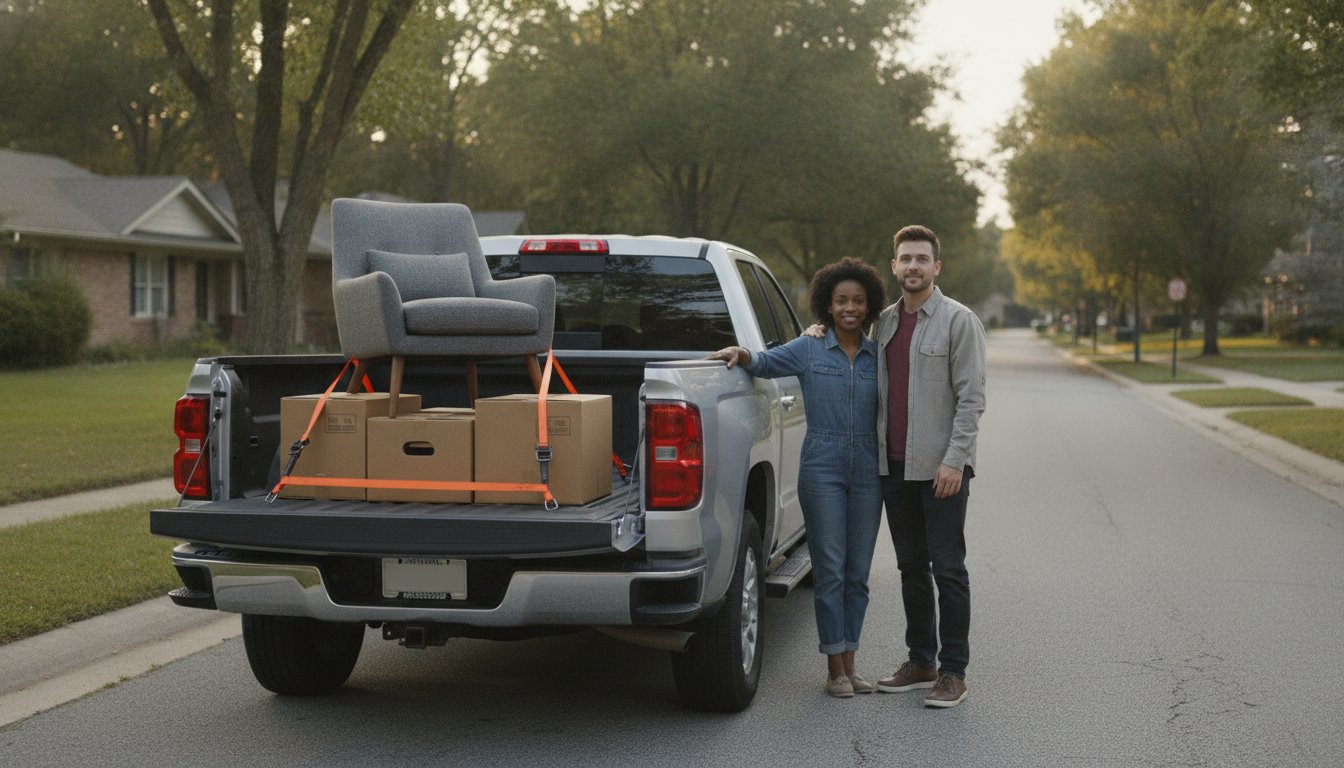
Picking the right vehicle is about matching the tool to the task. A pickup truck rental for moving is the agile choice for small-scale relocations. It’s the most efficient option for studio apartments or dorm rooms. These smaller living spaces rarely justify the cost of a full-sized box truck. You get enough bed space for a mattress, several boxes, and a desk without the stress of driving a massive commercial vehicle. It’s a low-risk way to handle a move without the high average costs of larger rentals.
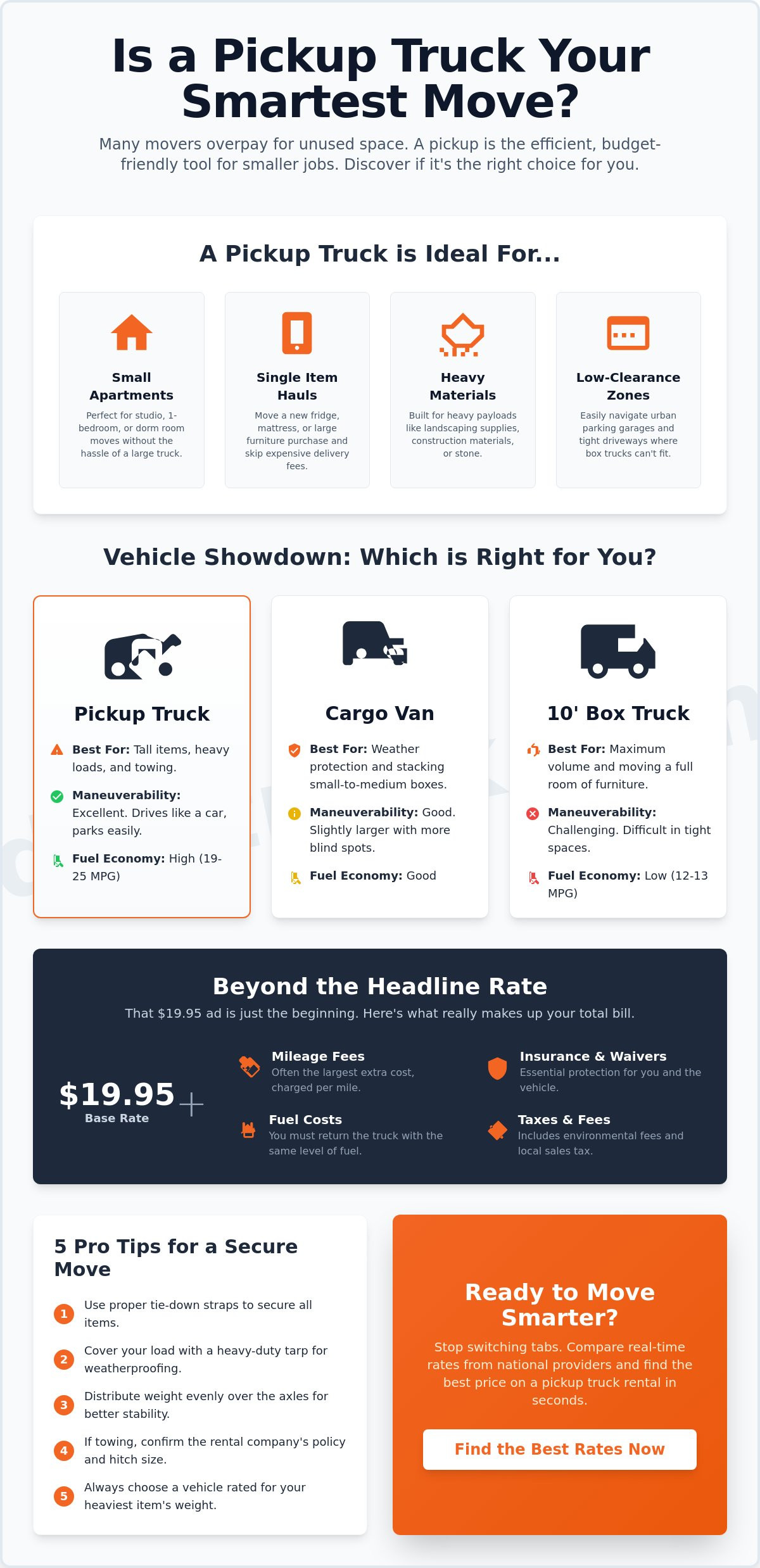
Pickups are built for weight. If you’re hauling landscaping materials or heavy construction supplies, a standard van might exceed its weight limit. The open bed design allows for easy top-loading at supply yards. It’s also the best solution for low-clearance zones. Many urban parking garages have height limits around 7 feet. A box truck won’t fit. A pickup handles these tight spaces with ease. This versatility makes it the surgical tool of the moving industry.
The “Single Item” Advantage
Store delivery fees can be expensive. Choosing a pickup truck rental for moving for a single-item pickup is a savvy financial move. It’s the perfect solution for “item-only” moves like a new refrigerator or a mattress. Oddly shaped items that won’t fit in a cargo van are easy to secure in an open bed. You don’t have to struggle with narrow doors or heavy ramps. The process is fast. You load, tie down, and drive. It’s the ideal way to avoid the scheduling delays often found with retail delivery services.
Towing Capabilities for Personal Use
A pickup gives you the power to tow. You can attach a small utility trailer or even your own car. This effectively doubles your moving capacity. While the history of pickup trucks highlights their evolution as versatile tools, you must check rental rules first. Not every provider allows towing. Some companies lock the hitches for insurance reasons. Knowing the towing capacity of the specific model is vital for a safe DIY move. It prevents engine strain and keeps you stable at highway speeds. Always confirm the hitch size and weight limits before you leave the lot. This prevents mechanical issues and ensures your cargo stays where it belongs.
Pickup Truck vs. Cargo Van vs. Small Box Truck
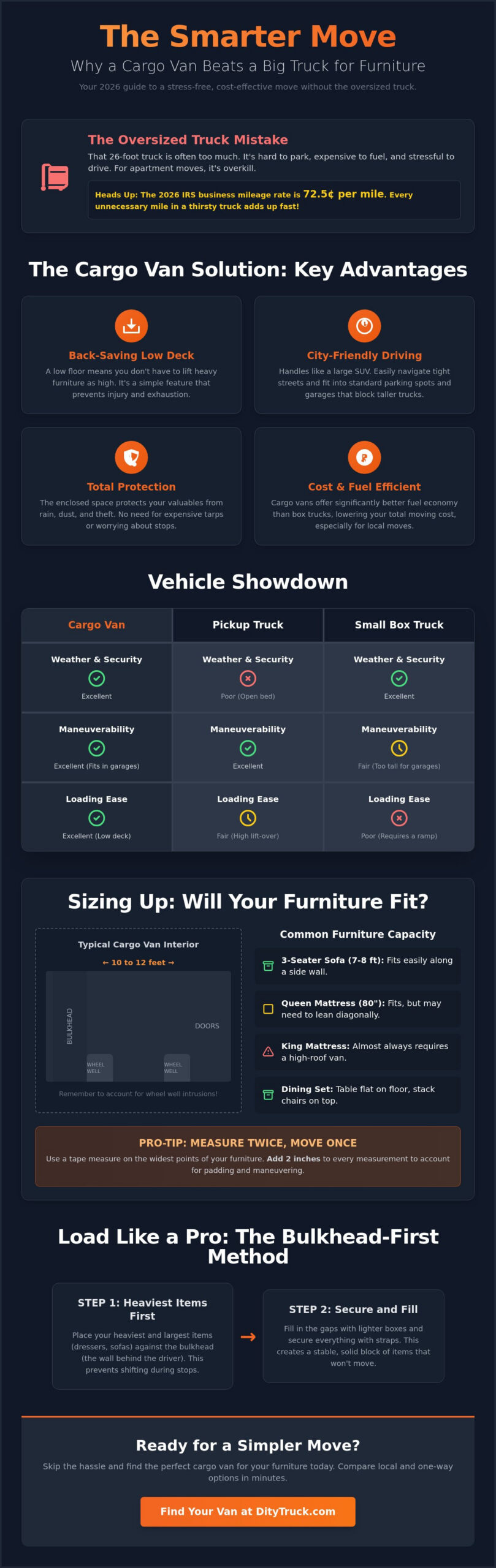
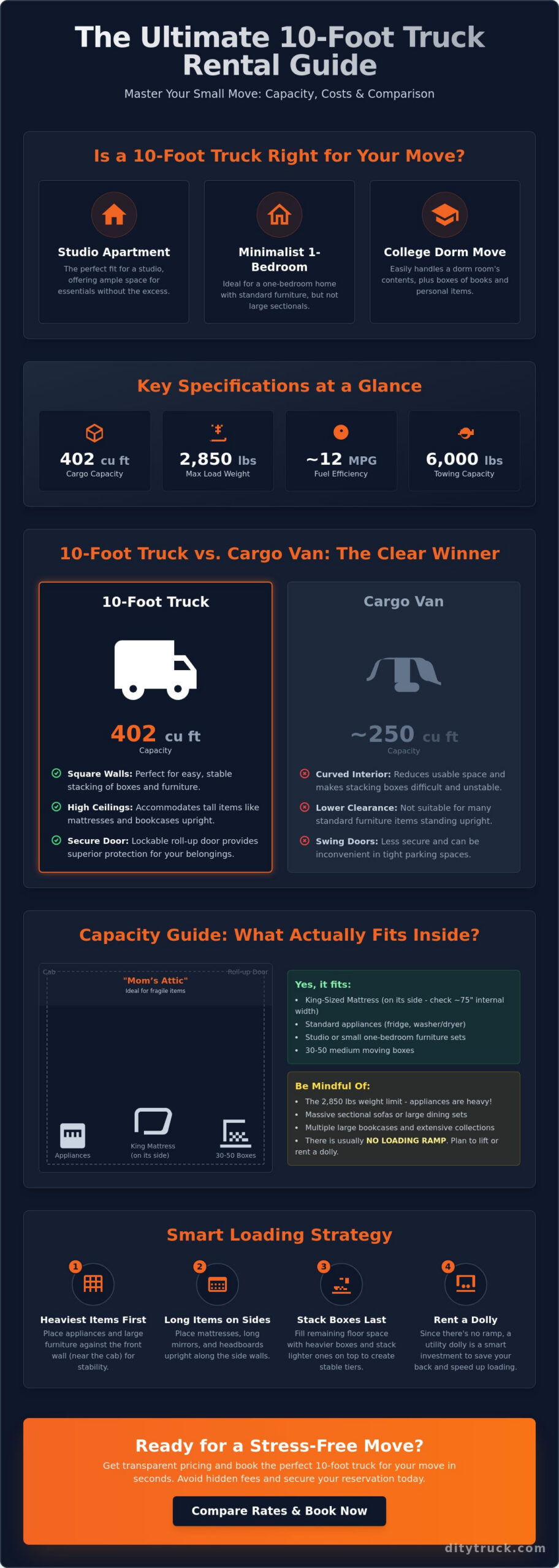
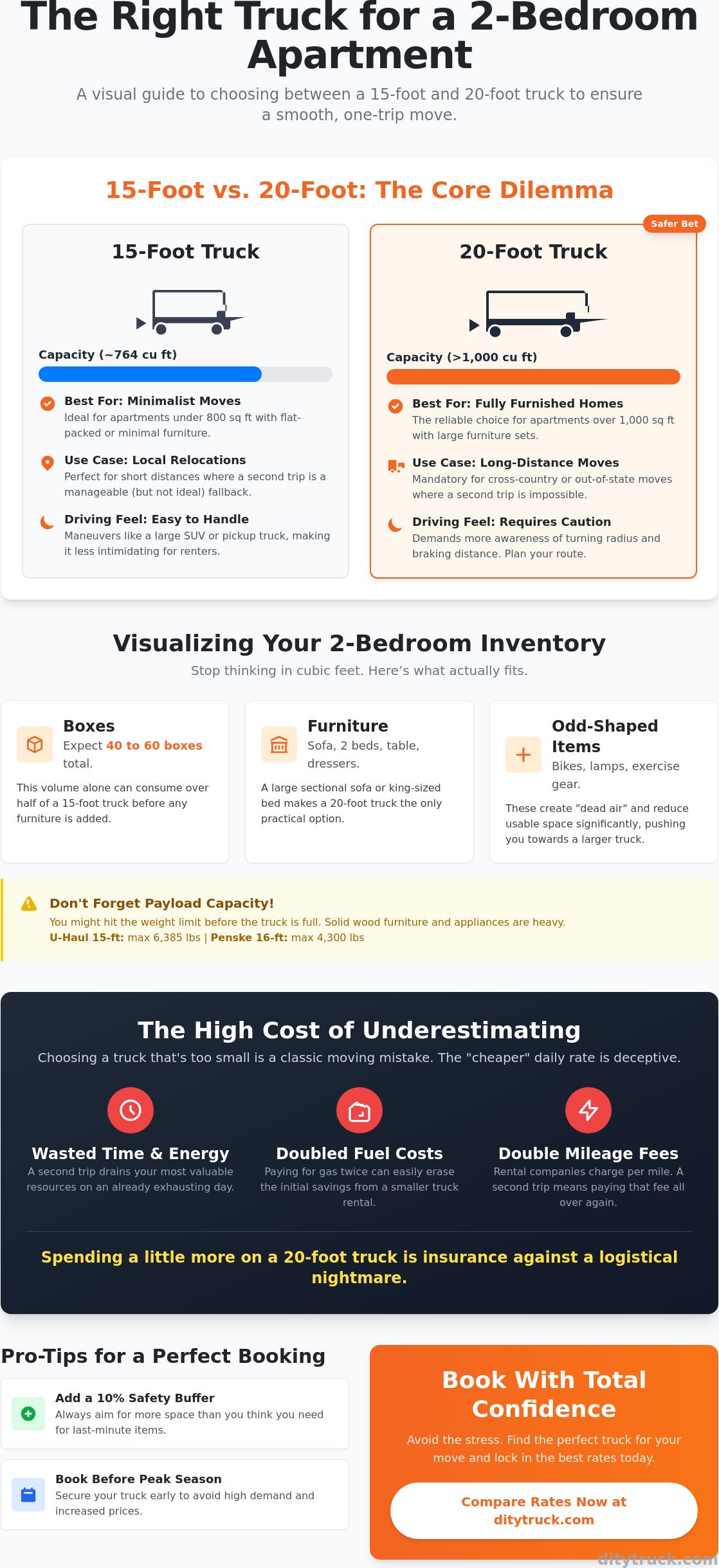
Choosing between a pickup truck rental for moving and other small options depends on your specific load. A pickup is the go-to for height-unrestricted items. If you have a tall refrigerator or a large plant, the open top is essential. Cargo vans provide better weather protection for stacks of smaller boxes. Meanwhile, a 10-foot box truck offers the most cubic volume for stacking furniture. It’s about balancing weight against space. You don’t want to pay for a box truck if your items are few but heavy.
Don’t confuse size with strength. Pickups often carry more weight than cargo vans. If your move involves heavy payloads like landscaping stone or large appliances, check the weight limits first. It’s smart to Protect Your Move by choosing a vehicle that handles your heaviest items safely. Overloading a cargo van can lead to poor braking and handling. Pickups are engineered for these heavy tasks. They offer a lower center of gravity when loaded, which improves stability on the highway.
Standard Pickups vs. Flatbed Truck Rental for Personal Use
Standard pickups are the most available option at national rental hubs. They provide side-wall protection that keeps loose items contained. This is vital for most DIY moves. Flatbed trucks are rarer for personal use but necessary for side-loading oversized machinery or wide furniture. Just remember that flatbeds offer zero protection for loose boxes. You’ll need extra straps and heavy-duty tarps. For most users, the standard bed is the safer and more accessible choice. You can compare truck rental rates to see which models are available near you right now.
Fuel Economy and Maneuverability
Fuel costs add up quickly. Pickups generally offer better MPG than box trucks. Modern pickups often achieve 19 to 25 MPG on the highway. In contrast, box trucks might drop to 12 or 13 MPG. This saves you money at the pump. Pickups also fit into residential driveways without blocking the whole street. The visibility is better. You have a standard rear-view mirror and a familiar seating position. It feels like driving a standard car. This reduces the stress of driving in tight city traffic or backing into narrow spots. You won’t need a spotter for every turn. It’s a faster, simpler way to get the job done.
The Real Cost of a Pickup Rental: Beyond the Base Rate
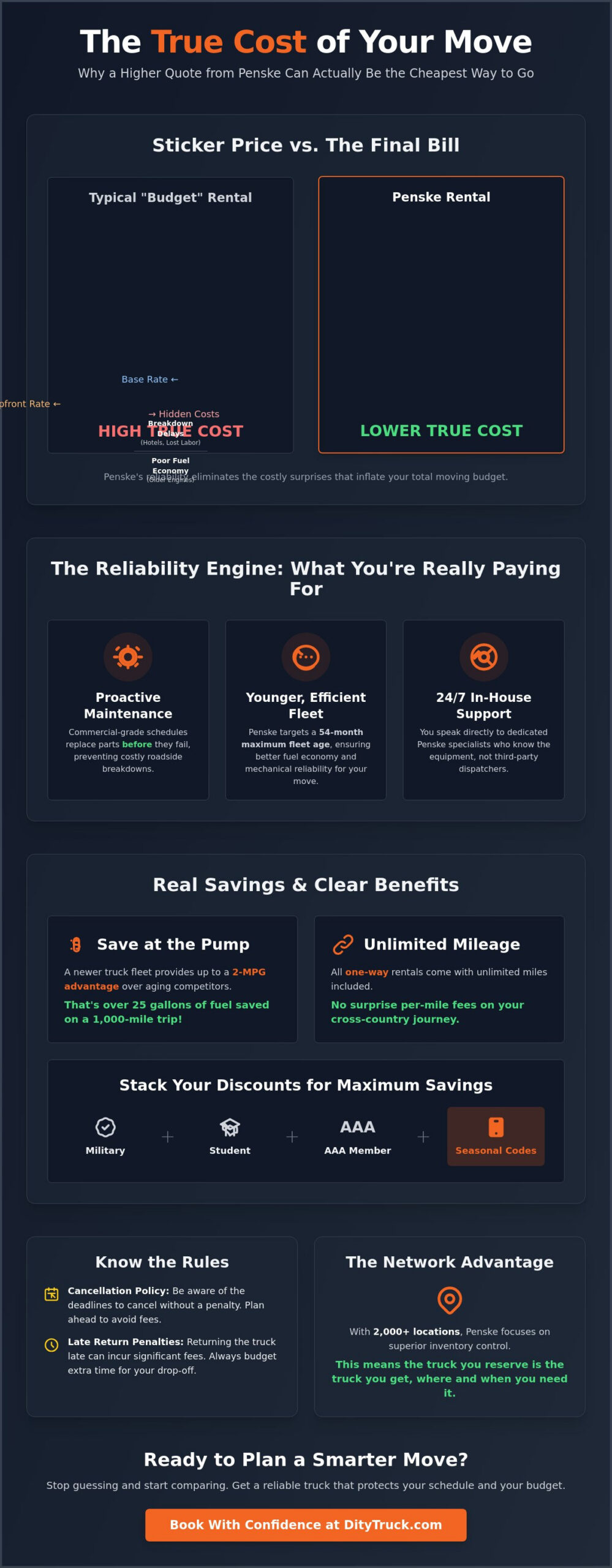
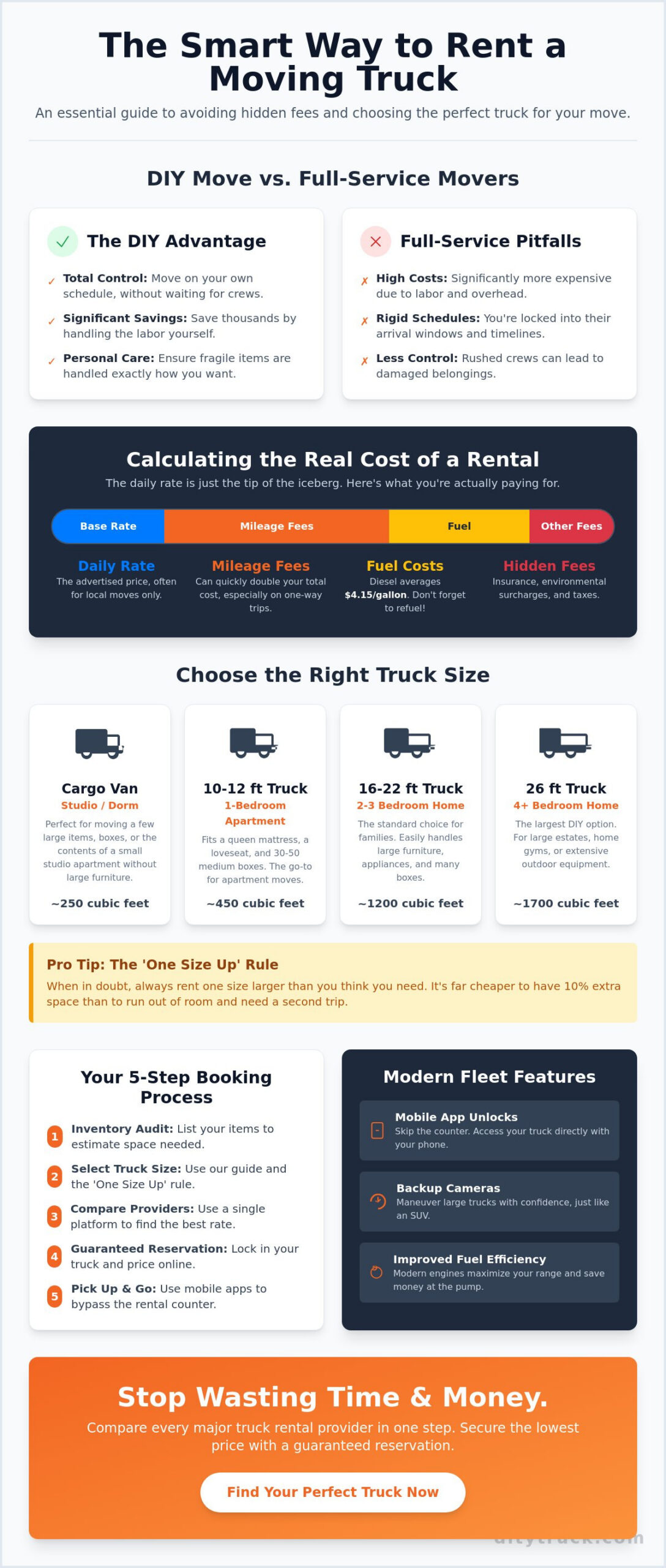
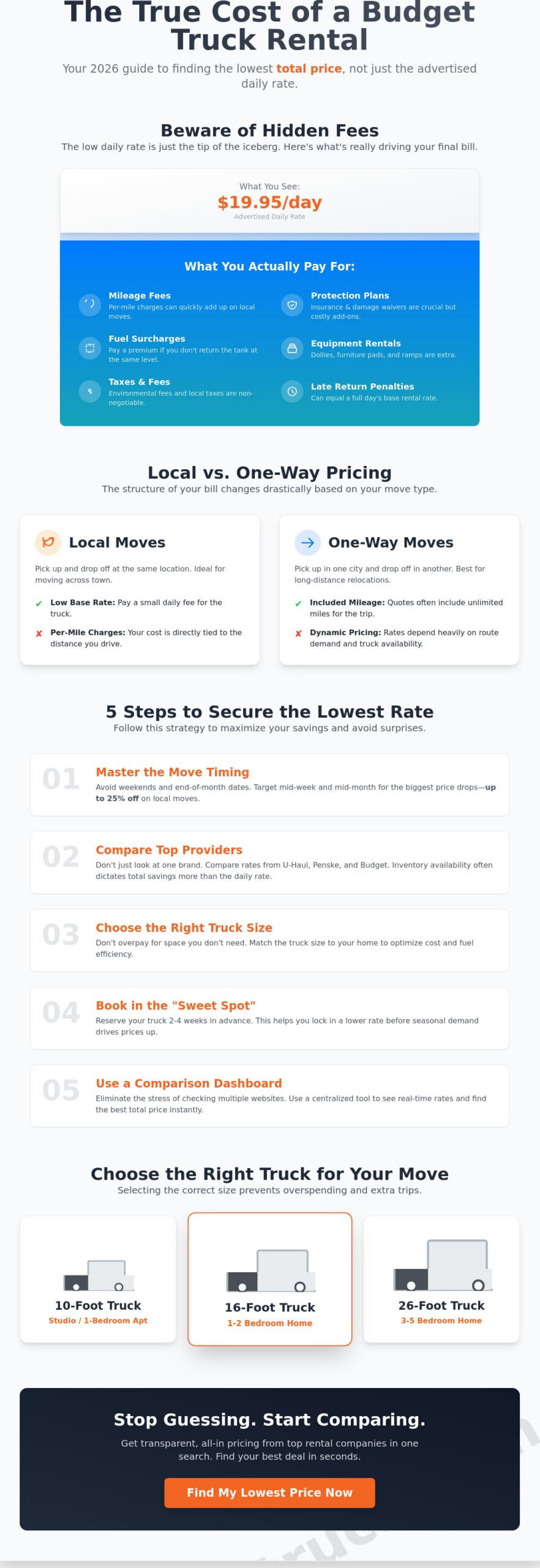
The $19.95 headline is a hook, not the total. Most people start their search for a pickup truck rental for moving attracted by a low base rate. This daily charge covers the vehicle itself, but the final invoice often tells a different story. You must account for mileage, taxes, and mandatory surcharges that providers rarely highlight in bold text. Transparency is the only way to avoid sticker shock at the drop-off counter. A cheap rental can quickly become an expensive mistake without a clear understanding of the fine print.
Mileage fees are the primary driver of cost. For local moves, rates typically range from $0.59 to $0.99 per mile. A quick trip across town can easily add $40 to your bill. Environmental fees, usually between $1 and $5, and vehicle licensing recovery fees also pad the total. Then there is insurance. Many personal auto policies exclude vehicles used for commercial purposes or those over a certain weight class. Skipping the Collision Damage Waiver (CDW) might save $15 today but cost thousands if a fender bender occurs. These small daily savings aren’t worth the financial risk of an uncovered accident.
Calculating Your Total Moving Cost
Don’t guess. Use a simple formula to see the real price: (Daily Rate x Days) + (Estimated Miles x Rate per Mile) + Fuel. This provides a realistic budget. Unlimited mileage is a common myth for local pickup rentals. It’s almost exclusively reserved for one-way box truck moves. Fuel is another variable. Pickups are thirsty when hauling heavy payloads. Expect lower MPG than the window sticker suggests when the bed is full. Budgeting for a full tank upon return is safer than relying on the rental company’s inflated refueling rates.
Avoiding Hidden Fees
Small mistakes lead to large penalties. Rental companies charge cleaning fees if the truck bed is returned with debris or spills. A quick sweep takes two minutes and saves you a $25 charge. Refueling is another trap. Providers often charge double or triple the local gas price if you return the tank less than full. Always top off at a station within five miles of the rental hub to ensure the needle stays on “Full.” Finally, watch the clock. Late return fees are often calculated as a full extra day of rental plus insurance. Returning your pickup truck rental for moving just 30 minutes late can double your daily cost. Plan your route and loading time to ensure a prompt arrival.
5 Pro Tips for Moving with an Open Truck Bed
Securing a pickup truck rental for moving requires more than just tossing boxes in the back. Open beds leave your belongings vulnerable to wind, weather, and shifting. You need a strategy to ensure everything arrives in one piece. Success starts with the right gear and a smart loading plan. It’s about stripping away the risk so you can focus on the drive.
Invest in high-quality ratchet straps. Bungee cords are not enough for highway speeds. They stretch and snap, which can lead to lost cargo or road hazards. Use the “X” pattern for tall items like refrigerators or wardrobes. This crossing method locks the item against the bed walls and prevents tipping during sharp turns. It creates a cage of tension that keeps heavy furniture upright and stable throughout the trip.
Weatherproofing is a top priority. A sudden rain shower can ruin electronics or mattresses in minutes. Use heavy-duty tarps and secure them tightly to prevent flapping. Flapping tarps can tear or even obscure your vision in the side mirrors. Always tuck the edges under your ratchet straps for a wind-tight seal. This simple step protects your investment from unpredictable elements.
Manage your weight distribution carefully. Place the heaviest items toward the cab. Keeping the weight in the front keeps the center of gravity stable. It also ensures your front tires maintain proper contact with the road for steering. Finally, never leave an open bed unattended at rest stops. Theft is a real risk when your possessions are visible and accessible. Park in well-lit areas or have a passenger stay with the vehicle during breaks.
Essential Moving Gear for Pickups
Moving blankets protect your furniture from scratches, but tarps protect them from the elements. You likely need both for a successful trip. Cargo nets are also highly effective for securing loose bags or light boxes that might catch the wind. You can often find these accessories at home improvement stores or rental hubs. To keep your budget in check, book your truck rental through a platform that lets you compare which providers include gear bundles in their base price.
Driving a Loaded Pickup Safely
A loaded truck handles differently than an empty one. Your braking distance increases significantly when the bed is full. Give yourself double the usual space between vehicles to allow for slow stops. Your rear-view mirror might be useless if you’ve stacked items high. Use your side mirrors and check blind spots twice before changing lanes. Most importantly, pull over after the first 10 miles of your trip. Loads often settle and shift once you hit highway speeds. Tightening your straps early prevents a disaster later in the drive. It’s the shortest path to a stress-free arrival.
Find the Best Pickup Truck Rental Rates with DityTruck
Stop hopping between browser tabs. It’s tedious. It’s inefficient. DityTruck brings national providers into one view. You see real-time availability for every pickup truck rental for moving without the typical research headache. It’s about clarity. We provide transparent pricing so you know the total before you click. No surprises. No hidden fees. Just the facts you need to make a smart choice. The 2026 market moves fast. You need a tool that moves faster. Our platform updates constantly to reflect current fleet status across the country. You get a friction-free experience from start to finish. It’s fast. It’s accurate. It’s the simplest way to find your vehicle.
Why Comparison is the Key to Savings
Rates aren’t static. One provider might have a low daily fee but high mileage costs. Another might be the opposite. DityTruck helps you spot these differences instantly. You can find the best mileage rates for your specific distance. This matters because a “cheap” truck can become expensive if you’re driving 50 miles. If your move grows beyond a few items, check our guide on moving truck rental for larger vehicle options. Comparing saves money. It’s that simple. We do the heavy lifting by scanning major brands so you don’t have to. You get a side-by-side breakdown that highlights the real value. It strips away the guesswork.
Book Your Move with Confidence
We act as your savvy consumer advocate. DityTruck streamlines the booking process so you can reserve your truck in seconds. No complex forms. No high-pressure sales tactics. We prioritize your time and your peace of mind. We believe in financial honesty. That means showing you the numbers that matter before you pull out your credit card. You deserve a move that stays on budget. If you’re planning a long-distance trip, explore one way truck rentals for moving to see how unlimited mileage options compare. We focus on stripping away the stress. You get the right truck at the right price. It’s the shortest path from a problem to a resolution. Logistics should be easy. We make sure they are. Ready to get started? Compare pickup truck rates on DityTruck now and secure your vehicle today.
Take Control of Your Small-Scale Move
Choosing the right vehicle saves more than just money. It prevents the unnecessary stress of navigating a massive box truck through tight city streets. You now have the tools to calculate the real cost by factoring in mileage fees and insurance. You have the pro tips to keep your cargo secure and dry in an open bed. A pickup truck rental for moving is the most efficient choice for DIY movers who value speed and simplicity. It’s the shortest path to a successful relocation.
Stop guessing which provider has the best deal. Access real-time rate comparisons and national coverage across all major brands in one place. DityTruck strips away the complexity with no hidden booking fees and total price transparency. Compare Pickup Truck Rental Rates Now to lock in your savings today. You’ve done the research. Now it’s time to get moving with confidence. Your perfectly sized truck is just a few clicks away.
Frequently Asked Questions
Is a pickup truck big enough for a 1-bedroom apartment move?
A pickup truck is generally too small for a full 1-bedroom apartment move. While it excels at hauling single large items or dorm room essentials, the average 1-bedroom contains more furniture than a standard truck bed can hold. You’ll likely need multiple trips. For a more efficient move, consider a cargo van or a small box truck to protect your belongings and save time.
How much does it typically cost to rent a pickup truck for a day?
Base rates often start as low as $19.95 per day for local rentals. However, your total cost includes mileage fees, insurance, and fuel. Mileage can range from $0.59 to $0.99 per mile. Most movers find their final bill is significantly higher than the advertised daily rate once these variables are added. Always get a transparent quote that includes these necessary extras before booking.
Can I rent a pickup truck for a one-way move?
Yes, you can rent a pickup truck for a one-way move through major national providers. These rentals are typically more expensive than local, round-trip options. Rates are calculated based on truck size, your origin, and your destination. One-way rentals often include a set number of days and miles in the price. Check availability early, as one-way inventory is more limited than local fleets.
Do I need special insurance when renting a pickup for personal use?
You should check your personal auto policy before declining rental coverage. Many personal insurance plans exclude vehicles over a certain weight class or those used for moving cargo. Rental companies offer optional Safemove or Collision Damage Waiver coverage. This provides peace of mind and protects you from high out-of-pocket costs if the vehicle is damaged during your move.
What is the difference between a standard pickup and a flatbed rental?
Standard pickups have fixed side walls that help contain loose boxes and smaller items. Flatbed trucks lack these walls, making them ideal for side-loading oversized equipment or wide machinery. While flatbeds offer more horizontal space, they require much more effort to secure your load safely. For most residential moves, a standard pickup truck rental for moving is the more practical and secure choice.
Are there age requirements for renting a pickup truck for moving?
Most national rental brands require you to be at least 21 years old to book a pickup truck, though some locations allow 18-year-olds with specific restrictions. You must provide a valid driver’s license and proof of current auto insurance at the time of pickup. Renters under the age of 25 often face additional daily surcharges. Always verify these age-related fees during the booking process to avoid unexpected costs on moving day.
Does a rental pickup truck come with tie-down straps?
Rental trucks rarely come equipped with tie-down straps as a standard feature. You’ll typically need to provide your own or rent them as an additional accessory. Investing in your own ratchet straps is a smart move for any pickup truck rental for moving. It ensures you have the right tools to secure your furniture and prevents items from shifting or flying out at highway speeds.
Can I tow my own trailer with a rental pickup truck?
Towing depends entirely on the specific rental location and their hitch policy. Many local rental pickups have locked or disabled hitches for insurance reasons. However, dedicated truck rental locations often allow towing if the vehicle is properly equipped. You must confirm towing permissions before you book. Unauthorized towing can void your insurance coverage and lead to significant mechanical penalties upon return.