Did you know that 73% of people discover their move cost significantly more than they originally planned? It’s a frustrating reality. You start by searching for moving truck rental prices and find an appealing base rate, but the final bill often tells a different story. Between fluctuating seasonal rates and confusing mileage calculations, the numbers rarely stay simple. You deserve total clarity before you ever pick up the keys.
It’s exhausting to deal with hidden fees that only appear at the very last second. You want a budget that actually sticks. This guide helps you master the variables that drive 2026 rental costs so you can secure the best possible rates for your move. We’ll break down every cost component, provide a framework to compare different companies, and share specific strategies to lower your final bill. Let’s strip away the complexity and get your move started with confidence.
Key Takeaways
- Decode the components of dynamic pricing. Learn why base rates are just the starting point of your final bill.
- Contrast local and one-way rental models. Identify the most cost-effective path for your specific distance and logistics.
- Spot hidden surcharges and peak-season premiums. Protect your budget from refueling fees and late return penalties.
- Master the variables driving moving truck rental prices. Secure the lowest rates for your 2026 move with confidence.
- Streamline your booking with real-time comparisons. Aggregating national quotes saves time and eliminates manual research.
Decoding Moving Truck Rental Prices: What You Are Actually Paying For
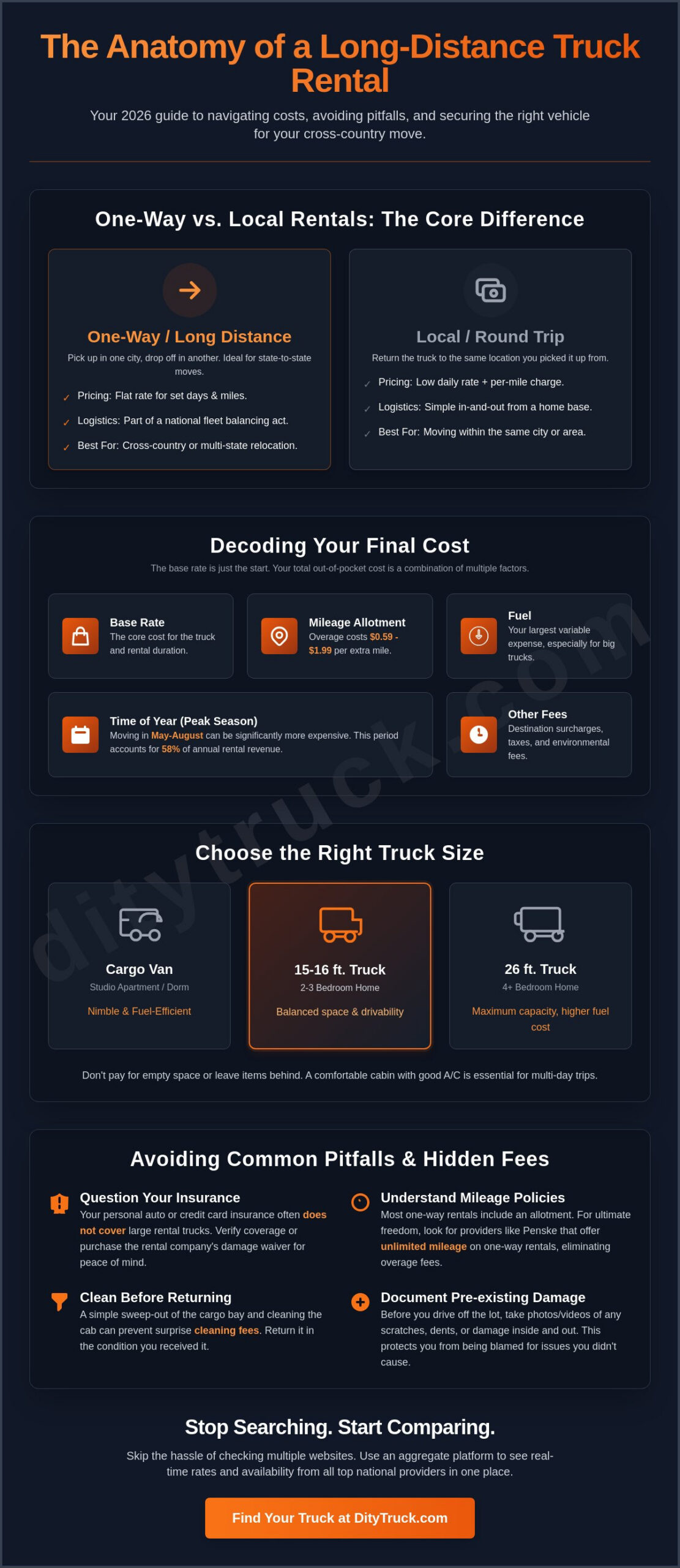
Understanding moving truck rental prices starts with looking past the sticker price on the side of the van. Most people see a low dollar amount and assume that’s the final cost. It isn’t. The real price is a combination of the daily base rate, mileage fees, and various surcharges. When you research a moving company or a self-service rental, you’ll find the logistics industry uses complex math to determine your bill. Clarity is your best tool for staying on budget.
Relying on the advertised base rate is a common mistake. These figures are designed to get you in the door. They rarely reflect what you actually pay at checkout. Your final bill includes several layers of costs that vary based on your location and timing. Dynamic pricing plays a massive role here. Rates change constantly based on how many trucks are available in your specific city. If everyone is moving out of a city at once, prices for the remaining trucks will climb. It’s a simple case of supply and demand.
The Difference Between Base Rates and Total Costs
The base rate is the flat fee for the vehicle hardware. You’re paying for the right to use the truck for a set period. However, first-time renters are often surprised by the mandatory add-ons. These extras turn a cheap rental into a significant investment. You need to account for mileage charges. These typically range from $0.59 to $1.39 per mile depending on the provider. Then there are environmental fees. Most companies charge these to cover the cost of hazardous waste disposal and emissions compliance. They usually cost between $1 and $15.
Insurance is another critical factor. Your personal auto policy likely doesn’t cover a 26-foot box truck. You’ll need supplemental coverage. This can add $14 to $50 to your daily total. A low base rate can be a trap if the mileage or insurance costs are inflated. Always prioritize the total estimate over the starting price. This ensures you aren’t hit with a bill that is double what you expected. For a comprehensive breakdown of every expense you’ll encounter, our moving truck rental cost complete 2026 price guide walks through each variable in detail.
Why Rental Rates Fluctuate Daily
Pricing shifts every single day. Inventory levels at your local branch are the primary driver. When a branch has a lot of idle trucks, they lower rates to encourage rentals. When inventory is low, prices rise to manage the remaining stock. Market trends in 2026 show that regional demand is more volatile than ever. Dynamic pricing is the industry standard for 2026 logistics, ensuring that rates reflect real-time supply across the country. This means your quote is often tied to the specific hour you book. Securing a rate early is the only way to avoid these sudden spikes. It locks in the inventory price before other renters drive it up.
Local vs. One-Way Rates: Calculating Distance and Logistics
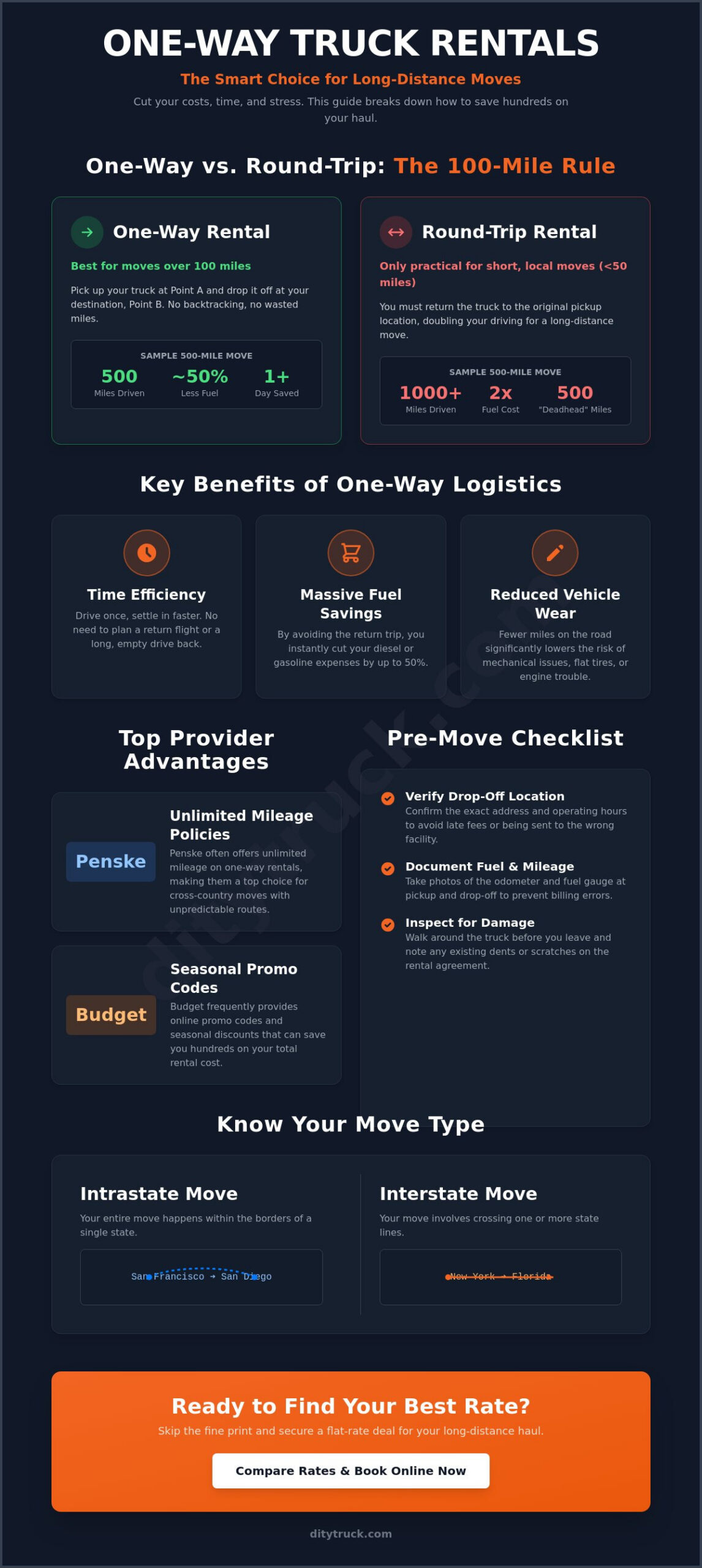
Your destination dictates your bill. National providers use two distinct pricing models to manage their fleets. Local moves rely on a low daily rate plus a fee for every mile driven. One-way moves use a flat fee that bundles a set number of days and miles into a single price. Choosing the wrong model for your specific route can easily triple your costs. You need to understand the math behind both to keep your budget intact.
Distance is the primary variable that changes how companies view your rental. For a local move, the company expects the truck back at the same lot within 24 hours. This allows them to rent the same vehicle again quickly. For long-distance moves, they lose that truck for several days. They also have to account for the cost of getting that vehicle back to a high-demand area. This logistics puzzle is why moving truck rental prices vary so much between a move across town and a move across state lines.
Calculating Local Move Pricing
Local pricing is built for speed and short distances. You pay a small base fee, but the mileage is the real driver of the total cost. Mileage rates typically fall between $0.79 and $1.29 per mile. These small numbers accumulate faster than you think. If you’re Finding the Lowest Moving Truck Rental Prices, you have to look at the total loop distance.
Consider a 20-mile round trip from the rental lot to your old home, then to the new one, and back to the lot. At $0.99 per mile, you pay $19.80 in distance fees. Double that distance to 50 miles, and your fee jumps to $49.50. This doesn’t include the base rate or fuel. Because you must return the truck to the same location, this model works best for cross-town relocations where the total odometer reading stays low. If your move involves multiple trips back and forth, those mileage fees will quickly exceed the cost of a one-way rental.
Understanding One-Way Long-Distance Fees
Long-distance moves require a flat-fee approach. Companies charge based on the popularity of your destination. If you’re moving to a city where the company needs more inventory, your price might be surprisingly low. If you’re heading to a remote area where trucks tend to sit idle, the rate climbs. This fee includes ‘allotted mileage’ based on the most direct route. If you take a detour or get lost, expect to pay around $1.00 per extra mile. Extra days usually cost between $40 and $100.
Many 2026 providers now offer unlimited mileage for specific long-distance routes to stay competitive. This eliminates the stress of counting every highway marker. You can find a detailed breakdown of these options in our one way truck rentals for moving guide. Before you sign any contract, compare local and one-way quotes side-by-side to see which model actually fits your logistics plan.

How Truck Size and Capacity Influence Rental Rates
Bigger isn’t always more expensive. While a larger vehicle carries a higher daily base rate, the price-to-volume ratio often favors the bigger trucks. You’re paying for cubic footage. A 10-foot truck might seem like a bargain, but if your belongings don’t fit, the cost of a second trip will destroy your budget. Moving truck rental prices are tiered to reflect the physical footprint of the vehicle and its maintenance costs. Choosing the right size on your first attempt is the most effective way to control your final bill.
Capacity directly impacts your total investment through fuel efficiency and mileage. A cargo van might get 15 to 20 miles per gallon, while a massive 26-foot box truck typically averages only 8 to 10 miles per gallon. With diesel prices hovering around $4.15 per gallon in June 2026, these fuel costs add up quickly. You have to balance the higher rental fee of a large truck against the fuel savings of a smaller one. Efficiency is about more than just the daily rate. It’s about how much it costs to move each box from point A to point B.
Small Moves: Cargo Vans and Pickup Truck Prices
Cargo vans and pickups are the entry-level options for studio apartments or single-item deliveries. These vehicles offer the lowest base rates in the industry, often starting as low as $19.95. However, don’t let the low entry price fool you. Most providers charge the same mileage fees for a van as they do for a 12-foot truck. You aren’t necessarily saving money on distance. The real value-add here is the ease of driving. You can park a van in a standard spot and navigate tight city streets without the stress of a massive blind spot. It’s a friction-free choice for small, quick tasks.
Medium to Large Box Truck Rental Costs
The 16-foot truck is the undisputed sweet spot for 2-3 bedroom homes. It offers enough clearance for large furniture without the intimidating length of a commercial-grade vehicle. Moving up to a 26-foot truck is necessary for large family homes with four or more bedrooms. While the daily rate climbs as you move up the hierarchy, the jump is usually manageable. The average price jump between a 16-foot and 26-foot truck is often less than 20% of the base rate, yet it offers nearly double the cargo capacity. This makes the largest trucks a high-value option for families who want to finish their move in a single trip. For a full breakdown of what you’ll actually pay, our guide on the cost to rent a 26 foot moving truck covers 2026 pricing from top providers in detail. Avoiding a second trip saves you mileage fees, fuel, and hours of labor. It’s the logical path to a lower total bill.
Avoiding Hidden Fees and Optimizing Your Moving Schedule
The advertised price is rarely the final price. Surcharges can turn a manageable budget into a financial headache if you don’t read the fine print. These costs aren’t always hidden; they’re often just overlooked during the stress of planning. You need to account for every accessory and every hour. Rental equipment like dollies, furniture pads, and ramps aren’t typically included in the base rate. Expect to pay a few dollars per item. These small additions ensure your furniture stays safe, but they also nudge moving truck rental prices higher. A quick inventory of what you actually need prevents paying for gear that just sits in the back of the truck.
Before you sign the contract, verify the details. Check the fuel level and document any existing scratches or dents on the vehicle. Most disputes happen because of poor documentation at the start. You’re responsible for returning the truck in the same condition you found it. This includes cleanliness. If you leave packing peanuts or trash in the cargo area, companies often tack on a cleaning fee. It’s a simple task that saves you a significant amount of money at drop-off.
Common Surcharges to Watch Out For
The refueling trap is one of the most expensive mistakes you can make. Rental companies charge a massive premium to top off the tank. It’s often double the local pump price plus a convenience fee. Always fill the tank yourself within a five-mile radius of the return location. Keep your receipt as proof. You should also look for environmental and licensing recovery fees. These are standard industry charges that cover the company’s cost of doing business. They are usually mandatory, but knowing they exist helps you build an accurate total estimate. For more tips on cutting these extra costs, check out our savings guide for least expensive moving truck rentals.
Peak vs. Off-Peak Pricing Strategies
Timing is the most powerful lever you have to lower your bill. Demand spikes during the summer months and on weekends. If you can move on a Tuesday or Wednesday, you’ll find much better availability and lower rates. The ‘End of Month’ rush is also real. Most leases end on the 30th or 31st, creating a massive bottleneck for truck inventory. Moving mid-month avoids this surge. For the best results in 2026, aim to book your vehicle 4-6 weeks in advance. This locks in the current rate and guarantees the size you need is waiting on the lot. Don’t wait until the last minute and pay a premium for whatever is left over. Compare real-time rates today to see how much you can save by shifting your schedule.
Finding the Lowest Moving Truck Rental Prices with DityTruck
Hunting for competitive moving truck rental prices shouldn’t feel like a part-time job. Most renters spend hours jumping between browser tabs, entering the same zip codes, and trying to decipher different fee structures. It’s a waste of your valuable time. DityTruck changes the process by acting as a smart assistant that aggregates national rates in real-time. You see the numbers side-by-side without the manual labor of building your own spreadsheet. This clarity is the shortest path to a stress-free booking.
Dynamic pricing means a quote from five minutes ago might already be outdated. DityTruck pulls live data from major providers, ensuring you see the most current inventory and rates available for your 2026 move. This transparency strips away the guesswork. You aren’t just looking at one brand’s promise. You’re looking at the entire market’s reality. This friction-free approach turns a high-stakes task into a simple decision. It’s about giving you the tools to move with confidence.
Why Comparison Beats Manual Searching
Manual searching limits your view. You might default to the biggest brand name and miss a better deal from a competitor just because their site didn’t show up first in your search. DityTruck eliminates these blind spots. It brings every option into a single, clean interface. You save hours of repetitive data entry. You also gain the confidence that you’ve actually found the lowest price available. It’s about efficiency and financial honesty. Our platform does the heavy lifting behind the scenes so you don’t have to.
Booking Your Move in Three Simple Steps
Complexity is the enemy of a successful move. We’ve streamlined the reservation process into three logical steps. There’s no fluff and no confusing hurdles. You get a clear path from a logistics problem to a confirmed solution. The process is designed for speed and immediate comprehension.
- Enter Details: Provide your move dates and locations once to see local availability.
- Compare Quotes: Review real-time prices from national providers on one screen.
- Reserve Instantly: Secure your vehicle with a few clicks and get back to your day.
For a deeper dive into the specifics of the market, read our complete 2026 comparison and booking guide. Securing your truck shouldn’t be the hardest part of your move. With the right tools, it’s the easiest. You deserve a move that starts with relief and clarity.
Take Control of Your 2026 Moving Budget
You now have the framework to navigate the complexities of 2026 logistics with total clarity. You understand how distance models, truck capacity, and seasonal spikes influence the final bill. Mastering moving truck rental prices is no longer a guessing game. It’s a strategic process. By choosing the right size and timing your move for off-peak periods, you can protect your budget from unnecessary surcharges and hidden traps. You’ve learned how to spot the refueling trap and why documentation at the start is vital for a friction-free return.
Clarity is the ultimate stress reliever during a high-stakes task. You don’t need to spend hours tracking quotes in a spreadsheet or jumping between browser tabs. DityTruck acts as your smart assistant, providing real-time rates from top national providers through a streamlined reservation process. There are no hidden booking fees. You get honest data to help you make the most logical decision for your timeline. Compare Moving Truck Rental Rates in Seconds and lock in your best price today. Your next chapter is waiting. Move forward with total confidence and a clear plan.
Frequently Asked Questions
What is the average cost of a moving truck rental in 2026?
The average cost to rent a moving truck is approximately $1,005. Prices typically range from $90 for a small local trip to $3,740 for a large long-distance relocation. For a medium-sized local move, the median cost is $113. These figures fluctuate based on the specific equipment you select and your total distance. Always get a total estimate rather than relying on a base rate.
How much does a 10-foot truck cost for a local move?
A 10-foot moving truck for a local move typically starts at a base rate of $19.95. This flat fee covers the vehicle hardware for 24 hours. You must also pay for mileage, which typically ranges from $0.59 to $1.39 per mile. Fuel and environmental fees are extra. This size is ideal for studio apartments or dorm rooms where you only need a single trip.
Are there hidden fees I should look for in truck rental prices?
Common surcharges include environmental fees, cleaning charges, and late return penalties. Most companies charge between $1 and $15 for environmental compliance. If you return the truck with debris in the cargo area, expect a cleaning fee. Late returns often trigger a full extra day of rental charges. Reviewing the contract for these specifics helps you avoid unexpected spikes in moving truck rental prices.
Is it cheaper to rent a truck one-way or return it to the same location?
It’s generally cheaper to return the truck to the same location for short-distance moves. Local rentals offer lower daily rates but charge for every mile driven. One-way rentals are designed for long distances. They use a higher flat fee that includes a set number of miles and days. Choosing the right model depends entirely on your total odometer reading. Compare both options if your move is over 50 miles.
How do mileage charges work for moving truck rentals?
Mileage charges for local moves are calculated per mile driven, usually between $0.59 and $1.39. You pay for the exact distance recorded on the odometer. One-way moves include a specific mileage allowance in the flat fee. If you exceed this limit, you’ll pay an additional fee of roughly $1.00 per mile. Tracking your route carefully prevents distance costs from bloating your final bill.
Does the price of a rental truck include insurance?
Standard rental rates don’t include insurance coverage. Most personal auto insurance policies and credit cards exclude large box trucks. You’ll likely need to purchase supplemental coverage. Expect to pay between $14 and $50 per day depending on the level of protection you choose. This covers the vehicle and your belongings in case of an accident or theft during transit.
Can I get a discount on my moving truck rental price?
You can often secure discounts through memberships like AAA or by being a student or military member. Most national providers offer 10% to 15% off for these groups with valid identification. Booking your vehicle 4 to 6 weeks in advance also locks in lower moving truck rental prices before dynamic pricing spikes. Moving mid-week is another reliable way to reduce your total investment.
Why are moving truck prices higher on weekends?
Weekend prices are higher because demand for inventory peaks on Saturdays and Sundays. Most people schedule their moves when they’re off work. This creates a shortage of available trucks at local branches. Companies use dynamic pricing to manage this limited supply. Moving on a Tuesday or Wednesday is the most reliable way to avoid these weekend premiums and secure a better rate.