Your furniture doesn’t break because the road is bumpy. It breaks because you gave it room to move. Most DIY movers rely on luck, but mastering how to secure furniture in a moving truck requires a strategic approach to eliminating “void space.” If you’re worried about an heirloom table splintering or a sofa tearing during transit, you aren’t alone. It’s a high-stakes task that feels overwhelming when you’re staring at the empty cargo hold of a 26-foot rental truck.
We understand that the fear of damage is the biggest hurdle in any DIY move. This guide simplifies the logistics. You’ll master professional techniques for wrapping, stacking, and strapping your most valuable items to ensure they arrive in perfect condition. We’ll strip away the complexity of weight distribution and ratchet straps so you can drive with total confidence. By the end of this article, you’ll know how to create a stable, immovable load that maximizes every inch of your truck space. We’re going to walk through the essential equipment you need, the tiered loading method, and the secret to locking down every layer for a damage-free arrival.
Key Takeaways
- Inventory your toolkit early. Professional-grade quilted moving blankets are non-negotiable for reliable surface protection.
- Master how to secure furniture in a moving truck by using the “Wall Method” to create tight, vertical tiers from the cab to the door.
- Build a structural base by placing your heaviest items on the floor. This lowers the center of gravity and prevents load shifting.
- Anchor your belongings every three feet using built-in cargo rails. This stops items from gaining momentum during transit.
- Select a truck size that fits your inventory perfectly. A tighter pack is inherently more secure than a half-empty cargo hold.
Essential Gear for Securing Furniture in a Moving Truck
Inventory your toolkit early. Preparation is the enemy of damage. You can’t safely improvise security when you’re traveling at 65 miles per hour. If you’re learning how to secure furniture in a moving truck, your success depends on the quality of your supplies. Don’t rely on old bedsheets or thin towels. Professional movers use specific gear because it works. It creates a friction-free environment where items can’t shift, rub, or collide. Having the right tools on hand eliminates the stress of “making do” with subpar materials that fail under pressure.
Cardboard corner protectors are a secret weapon for preventing “edge crush.” These reinforced L-shaped pieces sit under your pads and distribute strap pressure across a wider surface area. This is vital for soft woods like pine or expensive finished veneers. Plastic stretch wrap is another essential. It keeps drawers closed and holds furniture pads tight without the sticky residue left by packing tape. Use it generously. It’s the most efficient way to turn multiple pieces into a single, stable unit.
Choosing the Right Tie-Downs
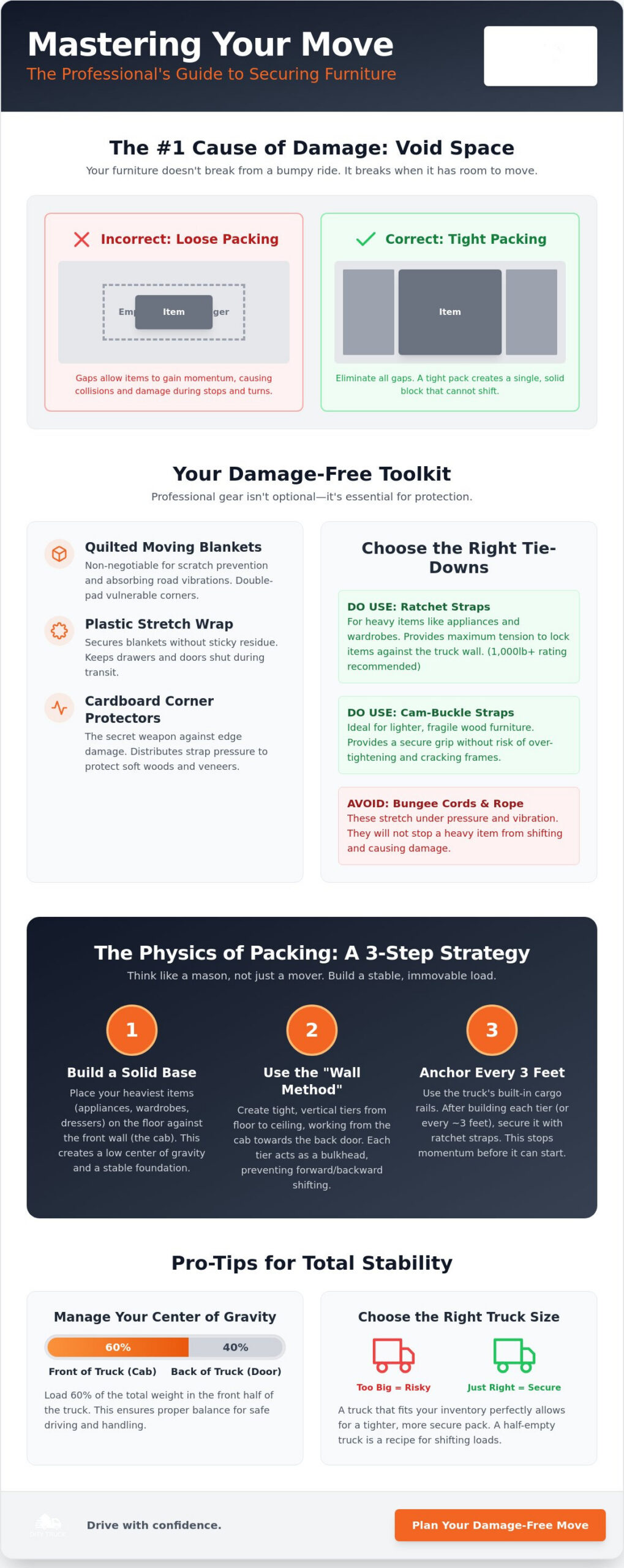
Tension is your best friend. For heavy wardrobes and large appliances, opt for 1,000lb-rated ratchet straps. These allow you to crank down the pressure, locking the item firmly against the truck wall. Bungee cords are for camping. They stretch. If a heavy dresser gains momentum on a sharp turn, a bungee cord won’t stop it. Use cam-buckle straps for lighter, more fragile wood items. They provide a secure grip without the risk of over-tensioning and cracking a delicate frame. Avoid nylon rope at all costs. It stretches under heat and constant vibration during long hauls. This leads to loose loads and inevitable damage.
The Role of Furniture Pads
Moving blankets are non-negotiable. Aim for professional-grade quilted pads. These aren’t just for scratch prevention. They absorb road vibration. Constant micro-movements during a long drive can scuff a finish even if the item stays upright. Double-pad the corners of dining tables and dressers. These are the most vulnerable impact points. Secure these pads with plastic stretch wrap rather than tape. Tape can strip the finish off wood or leave adhesive that is nearly impossible to clean. When you understand how to secure furniture in a moving truck, you realize that the pad is the primary barrier between your investment and the truck’s hard surfaces.
Safety should always be your top priority during the loading process. Following Mover’s Safety protocols protects your body while you protect your belongings. Proper lifting techniques and maintaining a clear workspace prevent accidents before they happen. A stable load is only possible if the people loading it are safe and organized. Take your time. Gear up correctly. The result is a damage-free move and total peace of mind.
The Physics of Packing: Strategic Loading for Stability
Stability starts with the “Wall Method.” Instead of creating scattered piles, you must build vertical tiers from the cab toward the door. This creates a series of self-supporting structures throughout the cargo hold. Each tier acts as a structural bulkhead. It stops the load from shifting forward or back during acceleration and braking. Mastering how to secure furniture in a moving truck means thinking like a mason. You’re building a wall, not just filling a box. Every item should be tightly packed against its neighbor to prevent movement.
Friction is your best friend in a moving truck. Eliminate the “Loose Load” by ensuring items touch. Gaps are opportunities for disaster. When a truck turns, a three-inch gap becomes a three-inch head start for a heavy dresser to gain momentum. Use bags of linens, pillows, or cushions to “chock” furniture legs. These soft items fill the small voids. They create a friction-locked environment where nothing can slide. This prevents the friction-burns and scuffs that occur when finished surfaces rub together during transit.
Creating a Solid Base Layer
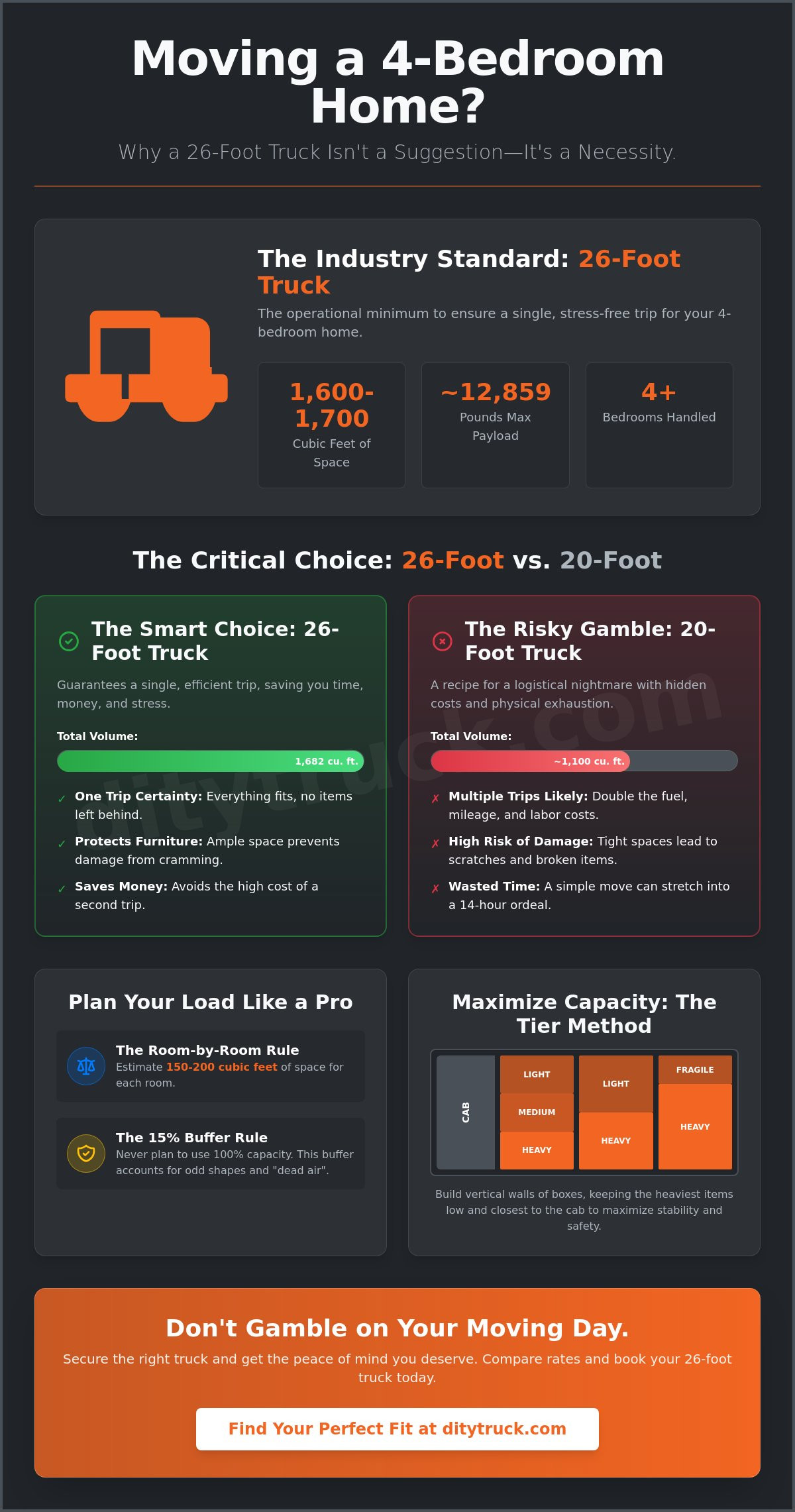
Start at the front wall of the cab. Place heavy appliances and wardrobes here first. Ensure these base items are perfectly level. If the base leans, every item stacked on top will eventually collapse. Tiered loading is the process of building floor-to-ceiling sections to lock items in place. This method mimics the structural integrity of a building. It’s the most reliable way to prevent the “domino effect” during a sudden stop. Always place the heaviest, most durable items on the floor to create a foundation that won’t compress under weight.
Managing the Center of Gravity
Distribution matters for your safety behind the wheel. Keep your weight distributed 60/40. Place 60% of the total weight toward the front of the cargo area. This provides better traction for the steering tires and improves braking performance. Avoid “top-heavy” tiers. Heavy items placed on top can cause the truck to tip during sharp turns. An uneven load causes truck sway at highway speeds. This is dangerous for inexperienced drivers. Check for balance by ensuring the truck doesn’t lean to one side before you pull out of the driveway.
These safety standards aren’t just suggestions. They align with Federal Motor Carrier Safety Administration regulations regarding cargo securement. Professional logistics providers follow these rules to ensure road safety for everyone. If you’re still planning your move, you can compare truck rental options to find the right vehicle for your specific load requirements. Proper weight management keeps the truck stable and your furniture intact. It’s the shortest path to a stress-free arrival.
Tie-Down Techniques: Mastering Straps and Rails
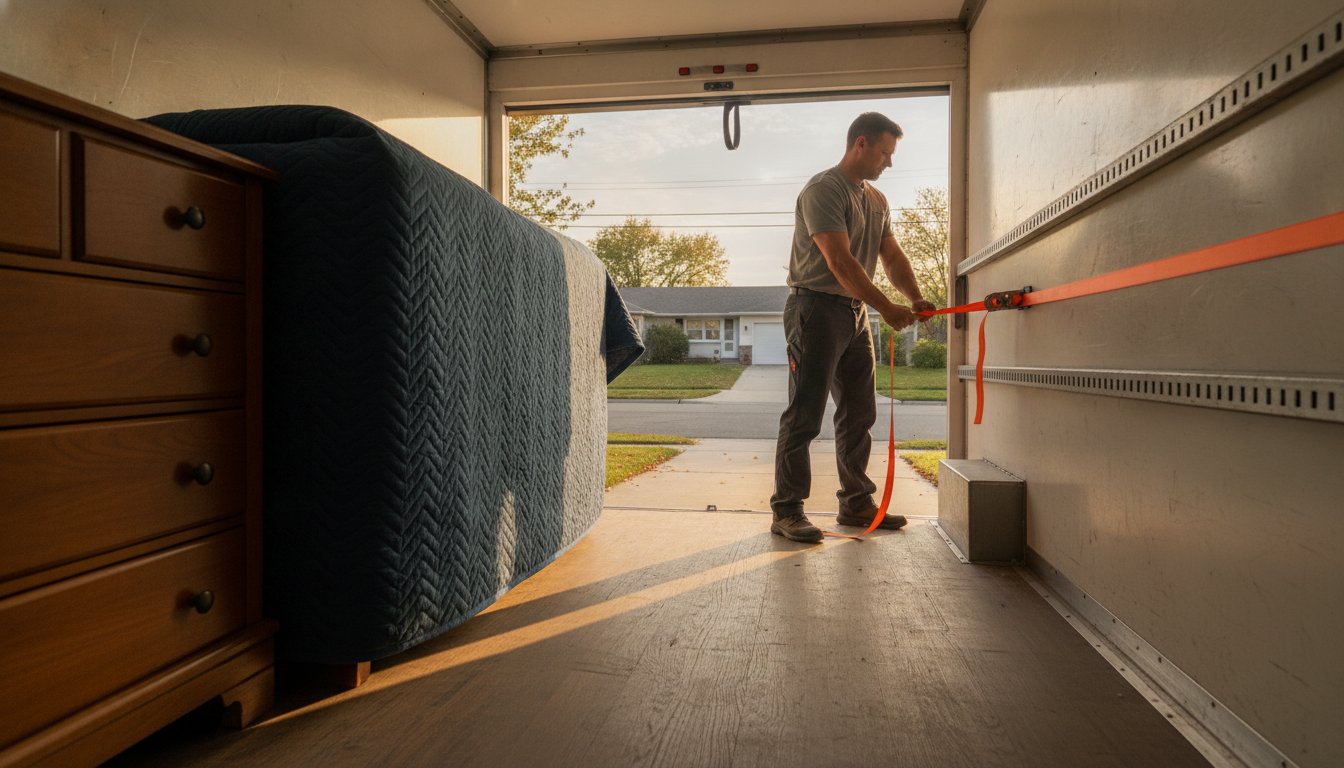
Loading the truck is only half the battle. If you want a damage-free arrival, you must master mechanical tension. Mastering how to secure furniture in a moving truck means anchoring your load every three feet. Don’t wait until the truck is full to start strapping. Secure each vertical tier as you complete it. This prevents a “domino effect” where one loose item topples the entire load. Use the “X” pattern for tall or top-heavy items like wardrobes. Crossing two straps over the front of the item provides lateral stability. It stops side-to-side swaying during sharp turns. This technique is a cornerstone of professional cargo management.
Protect your straps to protect your furniture. Always place a scrap of cardboard where a strap meets a sharp furniture edge. High-tension webbing can bite into finished wood or delicate upholstery. Conversely, a sharp metal edge can fray or cut through the strap over time. A compromised strap is a safety hazard. Check your tension periodically during the trip. Road vibration and temperature changes can cause straps to settle or loosen. A quick check at every rest stop ensures your furniture remains exactly where you put it.
Using Built-in Truck Rails
Different moving truck rentals offer different securement systems. Identify your rail type before you start. Penske trucks often feature E-track systems, while U-Haul typically uses wooden or plastic slats. Thread your straps behind the rail rather than just looping them over the top. This provides maximum leverage and prevents the strap from sliding down the rail during transit. Pay special attention to the “last wall.” Always strap the final tier of boxes and furniture closest to the door. This prevents items from shifting back and falling against the roll-up door, which can jam the mechanism or cause items to spill out when you arrive.
Mastering the Ratchet Strap
The ratchet strap is your most powerful tool. Feed the webbing through the center mandrel before you begin cranking the handle. Ensure the strap is flat and not twisted. Keep the ratchet mechanism accessible at all times. Don’t bury it behind other boxes or furniture. You might need to adjust the tension later. Release the mechanism with extreme caution. Tensioned straps can “snap” with significant force when the lock is pulled. A properly tensioned strap should have no more than an inch of “play” when tugged. This level of tightness ensures the item is locked to the truck frame. Insights from the FMCSA loading and unloading performance study highlight that consistent tension is the primary factor in preventing cargo damage during long-distance hauls.
Protecting Surfaces and Fragile Furniture Edges
Surface protection is about layers. Mastering how to secure furniture in a moving truck starts long before you touch a strap. Disassemble everything possible. Remove legs from dining tables and detach mirrors from dressers. Smaller, flatter components are easier to wrap and less likely to snap under pressure. Wrap finished wood surfaces in paper pads before adding heavy moving blankets. This prevents the “blanket burn” that occurs when coarse fibers rub against a delicate finish during transport. It’s a simple step that saves thousands in restoration costs.
Secure every moving part. Unexpected drawer openings cause major internal damage and can throw off the truck’s balance. Use plastic stretch wrap to lock drawers and cabinet doors in place. This is more efficient than tape and leaves zero residue. For chairs, use the seat-to-seat method. Flip one chair upside down and place it on top of another. This interlocking technique saves significant floor space. It also creates a more stable, square unit that is easier to strap down. Stability and surface integrity go hand in hand.
Securing Glass and Mirrored Surfaces
Glass requires a specific protocol. Apply an “X” of painter’s tape across the pane. This doesn’t prevent breakage; it prevents shattering into a thousand dangerous shards if an accident occurs. Use specialized mirror boxes or wrap the item in double-walled cardboard. Store glass and mirrors vertically at all times. Never lay them flat on the truck floor. The pressure from items stacked on top will cause them to crack. For the ultimate cushion zone, sandwich glass panels between two mattresses. This provides a soft, vibration-absorbing environment. Label every side of the protective wrap with “FRAGILE” in large, clear letters. This ensures anyone helping you knows exactly what they are handling.
Wrapping Upholstered Furniture
Fabric needs a barrier against the elements. Use plastic furniture covers to prevent grease, dust, and moisture stains. These are especially important for long-distance moves where road grime can seep into the cargo area. Never apply packing tape directly to upholstery. The adhesive will ruin the pile and leave a permanent mark. Remove all loose cushions and pack them into large bags. These bags are perfect “gap fillers” for the void spaces mentioned in earlier sections. They provide extra padding for furniture legs while keeping your sofa clean. Once your inventory is prepped and protected, you can book your moving truck rental with the confidence that your belongings are ready for the road.
Choosing the Right Truck Size for Maximum Security
The truck you choose is your first line of defense. Many DIY movers fall into the “Too Much Space” trap. They rent the largest truck available to avoid making two trips. This is a mistake. A half-empty cargo hold allows items to gain momentum during transit. If there is room to slide, your furniture will slide. Learning how to secure furniture in a moving truck is significantly easier when the inventory fits snugly. A tighter pack is naturally more secure. It limits the distance an item can travel if a strap fails. Right-sizing your rental is the best insurance policy against broken table legs and shattered mirrors.
Compare specific features before you book. Some trucks offer lower decks. This reduces the angle of the loading ramp. It makes heavy lifting safer. Look for “attic” space. This cab-over area is the safest spot for fragile items and electronics. It keeps them away from the heavy appliances on the main floor. You can use DityTruck to find the exact dimensions you need for your inventory. Having the right tool for the job strips away the complexity of the move. It replaces worry with confident simplicity.
Avoiding the “Loose Load” Risk
If you end up with extra space, use “bulkhead” strapping. This involves creating a false wall with straps and moving blankets to lock the load forward. Never leave tall items standing alone in a large truck bed. They will tip. Understand that uhaul vs budget truck rental options may vary in tie-down rail height. Knowing where your anchor points are helps you plan your vertical tiers. A snug fit remains your best defense. It prevents the vibration and shifting that lead to surface damage. If the load can’t move, it can’t break.
DityTruck: Simplifying the Search
Efficiency is our priority. We help you compare rates across national providers to find trucks with the best cargo features. You shouldn’t have to guess which truck fits your three-bedroom home. Filter for specific truck sizes to ensure your furniture fits perfectly. This precision reduces the risk of load shifts. Book with confidence. You’ll know you have the right vehicle to implement everything you’ve learned about how to secure furniture in a moving truck. The shortest path to a damage-free move starts with selecting the right truck for your specific needs. We perform the heavy lifting behind the scenes so you don’t have to.
Move Toward a Damage-Free Arrival
Securing your belongings isn’t just about having the right gear. It’s about mastering how to secure furniture in a moving truck through strategic layering and mechanical tension. You now have the professional blueprint to eliminate void space, anchor your load every three feet, and protect every finished surface. These steps turn a high-stakes logistics task into a manageable, organized process. By right-sizing your vehicle and building stable vertical tiers, you ensure your furniture arrives in the same condition it left.
The final step is choosing the right partner for your journey. We simplify the search by providing real-time rates from Penske, Budget, and U-Haul with national coverage across the United States. You’ll find a clear, no-hidden-fees comparison that puts you in control of your moving budget. Compare Moving Truck Rates and Find Your Perfect Fit Today. Your damage-free DIY move is within reach. You’ve got the knowledge. Now get the truck that makes it happen.
Frequently Asked Questions
What is the best way to secure furniture in a moving truck?
Tiered loading combined with mechanical tension is the gold standard. Build vertical walls from the cab to the door, ensuring no “void space” exists between items. Anchor each tier to the truck’s cargo rails to prevent shifting. This creates a single, stable unit that resists movement during transit. Mastering how to secure furniture in a moving truck requires this structural approach to prevent the “domino effect” on the road.
Do I really need moving blankets for a short local move?
Yes, professional-grade quilted pads are essential regardless of distance. Road vibration occurs the moment you pull out of the driveway. Without blankets, finished surfaces rub together, causing permanent scuffs and “blanket burn” within miles. Protection is about preventing friction, not just cushioning heavy impacts. It’s a small investment that prevents thousands in furniture restoration costs.
How do I stop my mattress from falling over in the truck?
Sandwich the mattress vertically between heavy, flat items like a headboard and the truck wall. If you have multiple mattresses, place them together to create a soft “cushion zone” for glass panels. Use a dedicated mattress bag to prevent stains. Secure the unit with a cam-buckle strap to the side rails for lateral stability. This keeps the mattress upright and prevents it from crushing smaller boxes.
Is it better to use rope or ratchet straps for moving furniture?
Ratchet straps are superior because they provide mechanical tension that rope cannot match. Rope often stretches under heat or vibration, leading to loose loads halfway through your trip. A 1,000lb-rated ratchet strap locks your furniture to the truck frame. It ensures the item stays exactly where you placed it. Tension is your best friend when navigating sharp turns or sudden stops.
Can I leave clothes in my dresser drawers during the move?
It’s best to empty them to reduce the weight and stress on the furniture frame. Heavy drawers can cause the dresser to warp or the glides to fail during transit. If you must leave light items inside, use plastic stretch wrap to keep the drawers from sliding out. This keeps the unit lighter and much safer for the people performing the heavy lifting.
How do I secure a TV in a moving truck without the original box?
Wrap the screen in a non-abrasive foam cover, then a moving blanket, and secure it with stretch wrap. Place the TV vertically between two soft items, such as a mattress or a sofa. Never lay a flat-screen TV on its side. The internal components are designed to stand upright. They can crack under their own weight if laid flat on the truck floor.
What should I do if the moving truck doesn’t have tie-down rails?
Focus on creating a “friction-locked” load by eliminating every inch of gap between items. Use soft goods like bags of linens or pillows to “chock” furniture legs and fill voids. When you learn how to secure furniture in a moving truck without rails, you rely on the “Wall Method” to ensure items support each other. Collective pressure keeps the load stable when mechanical anchor points are unavailable.