The $19.95 sticker price on a small box truck is rarely the final number you see on your receipt. Between mileage fees, insurance, and environmental surcharges, a “budget” move can quickly double in cost. It is a frustrating reality for anyone trying to manage a DIY move without getting ripped off. You want a vehicle that fits your furniture perfectly. You also want to avoid the anxiety of driving a massive commercial rig through narrow residential streets.
We understand the pressure of getting the logistics right. You need to know if a 10-foot or 12-foot model actually holds your bed and sofa before you hand over your credit card. This guide masters those details for you. We provide the exact specs for 2026 fleets and show you how to secure the best national rates in seconds. You will gain the confidence to handle your rental like a pro while keeping your budget intact. We will look at size comparisons, updated 2026 regulations, and the smartest way to compare top providers like Penske, Budget, and U-Haul instantly.
Key Takeaways
- Identify the “Mini Mover” sweet spot—choose the right 10 to 12 foot vehicle for easier handling and stress-free city navigation.
- Compare a small box truck against a cargo van—understand why straight walls and one-way availability make the truck the superior choice for relocations.
- Reveal the truth behind advertised base rates—learn to calculate the total cost including mileage and insurance to protect your budget.
- Avoid common driving mistakes—master height clearance awareness and learn how to load furniture safely when your vehicle lacks a ramp.
- Streamline your search—use comparison tools to view real-time availability from major national brands without visiting multiple websites.
What Exactly Qualifies as a Small Box Truck?
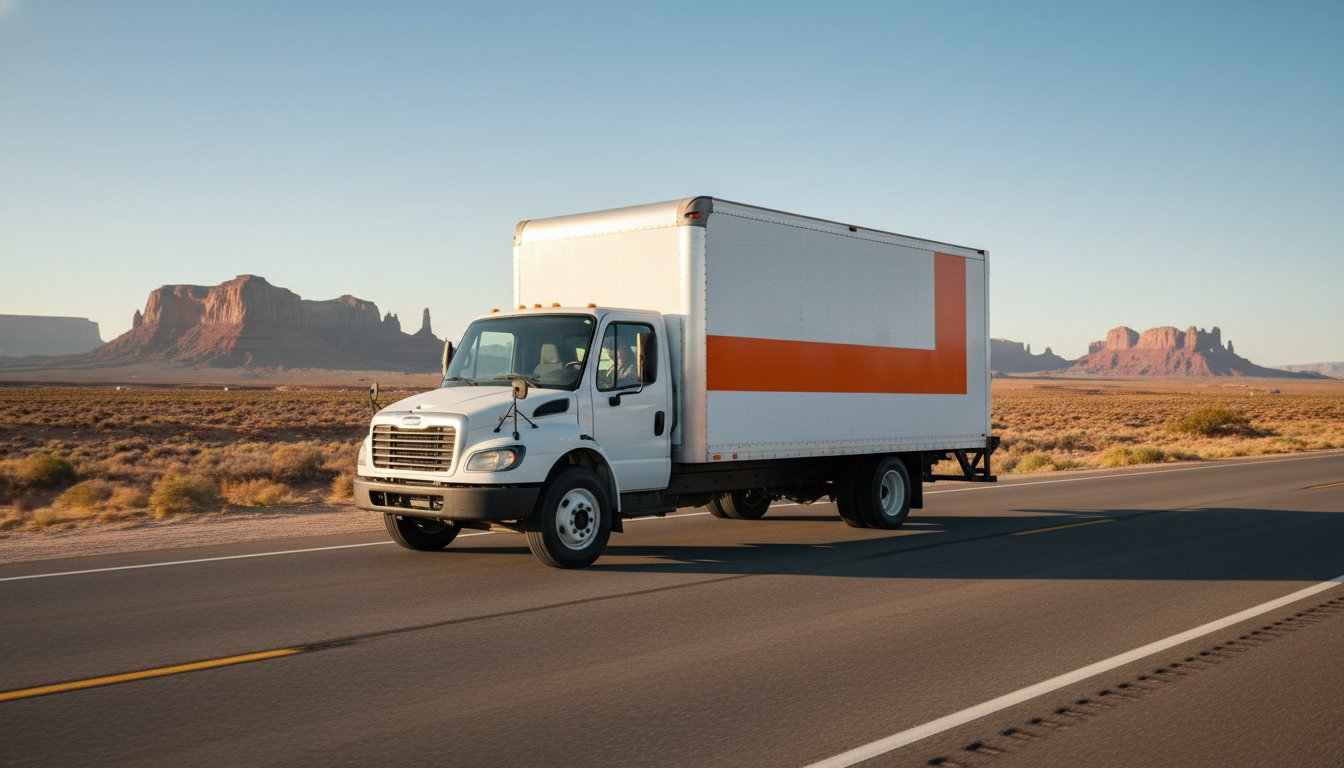
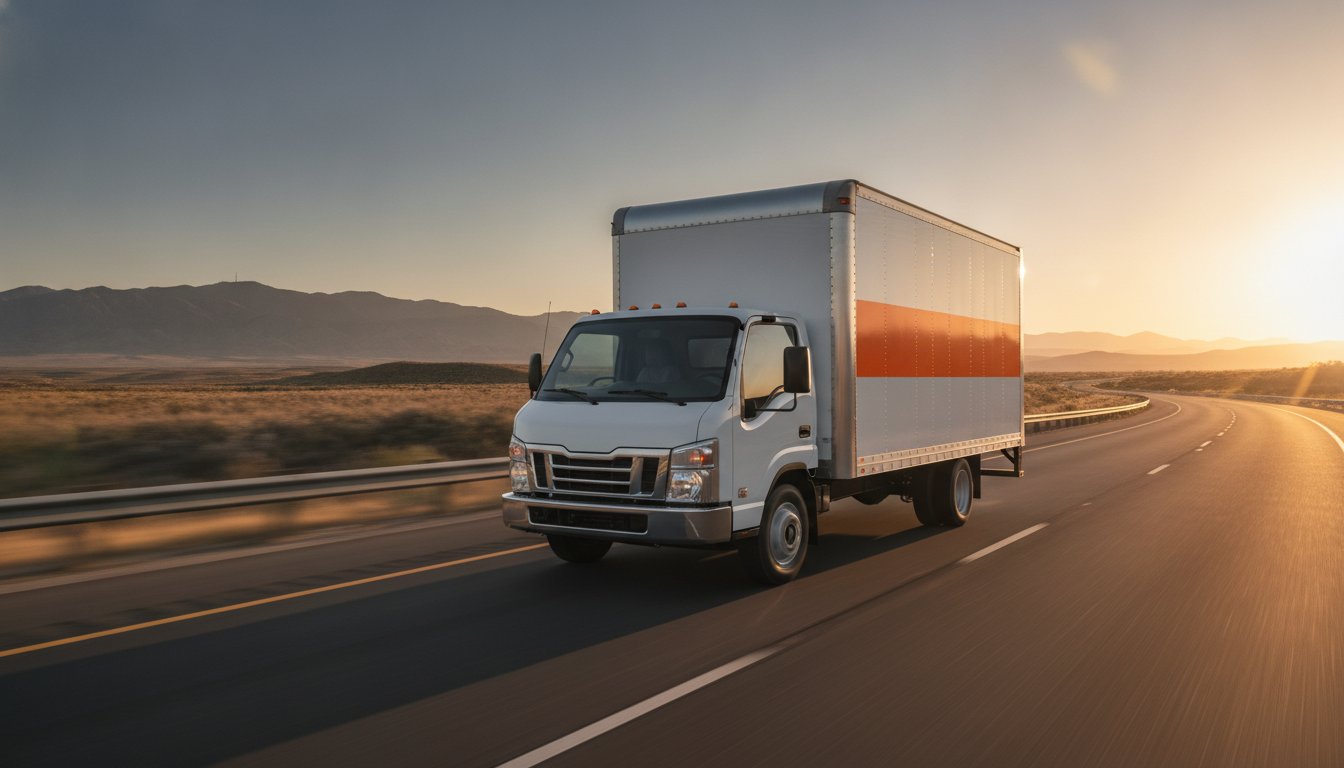
A small box truck is a light-duty commercial vehicle designed for efficiency and ease of use. Most national rental fleets define this category as vehicles ranging from 10 to 12 feet in length. To understand what is a box truck, you look at the construction. These vehicles feature a separate cargo box mounted onto a chassis cab. This design provides a square, flat-walled interior that is much easier to pack than a standard van. These “Mini Movers” typically have a Gross Vehicle Weight (GVW) under 10,000 lbs. This keeps them in a weight class that is approachable for almost any driver.
These trucks are the go-to choice for specific moving scenarios. They provide enough room for the contents of a studio apartment or a large dorm room. They also excel at small office relocations where you only need to move a few desks and filing cabinets. Because they are smaller, they are much easier to park in urban environments than their 26-foot counterparts. They bridge the gap between a passenger vehicle and a heavy-duty hauler perfectly.
The 10-Foot vs. 12-Foot Distinction
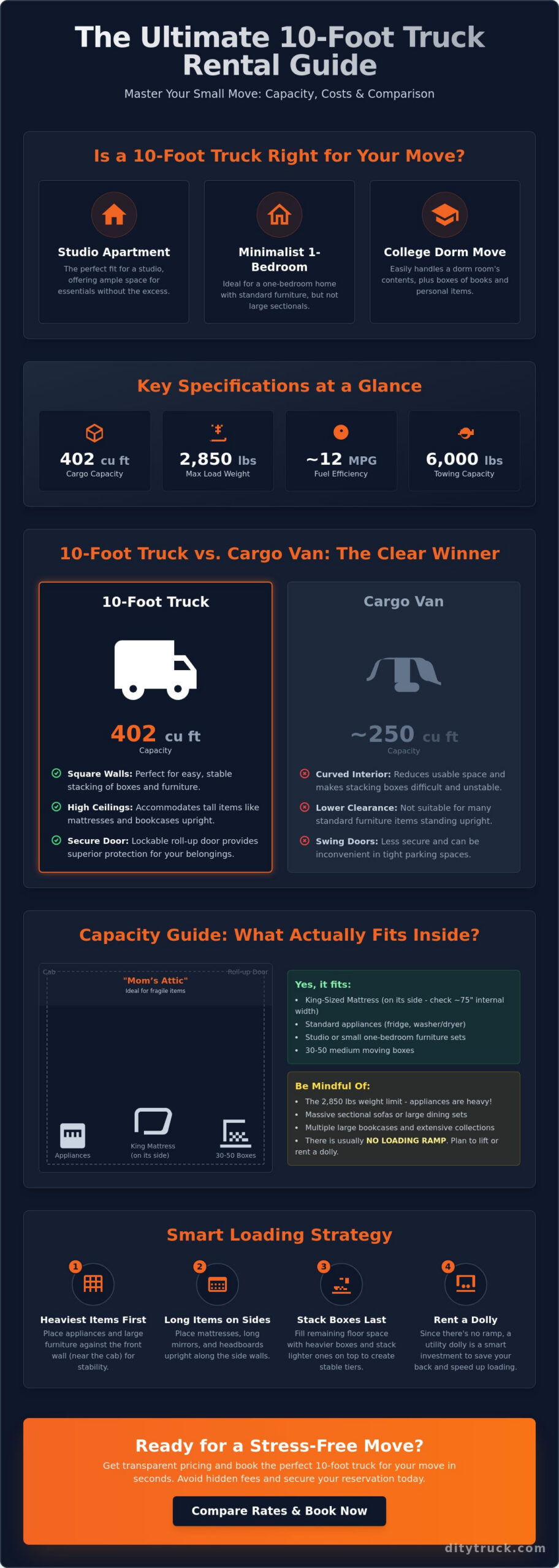
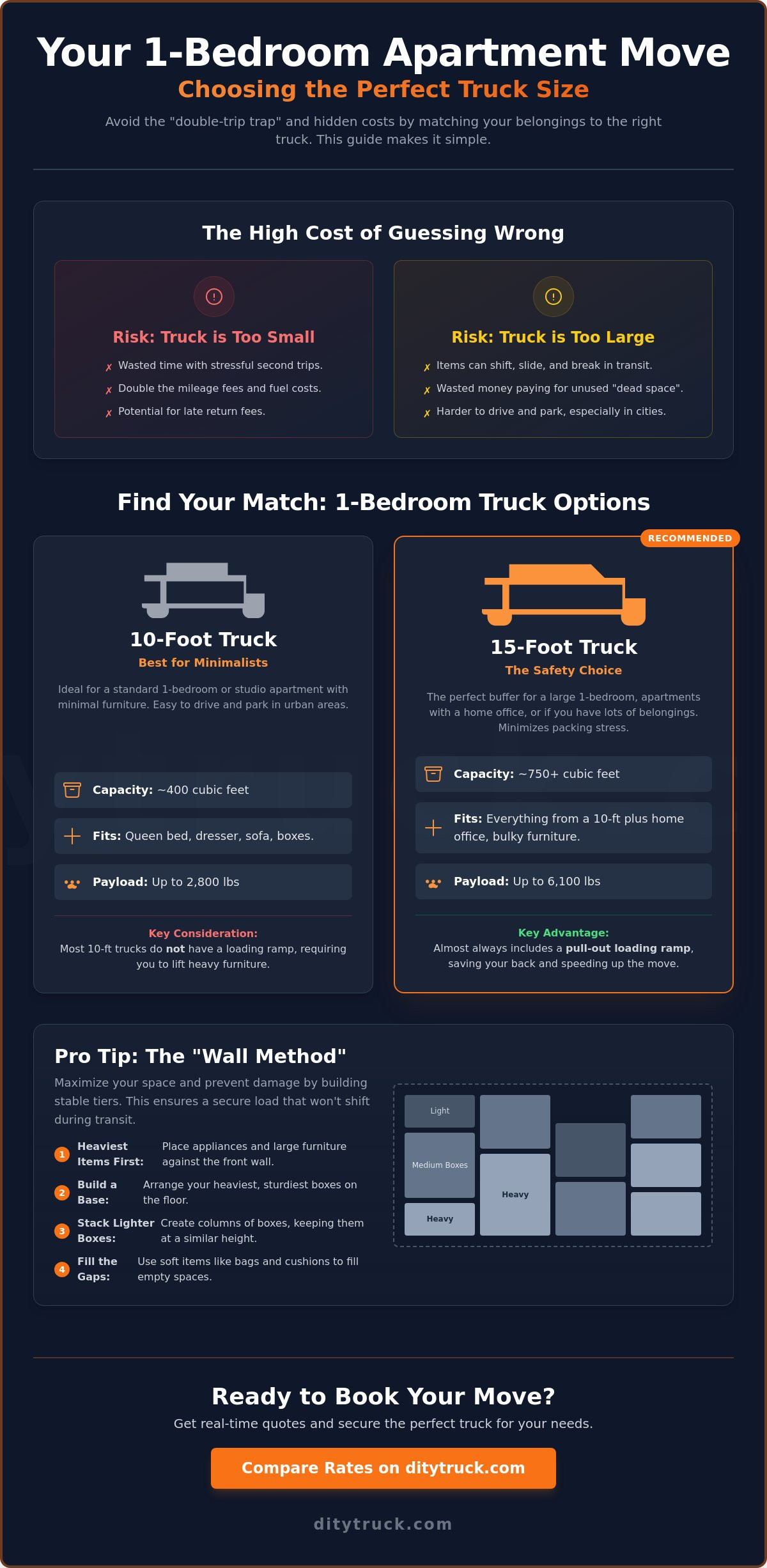
Choosing between a 10-foot and a 12-foot model depends on your inventory. A 10-foot truck is the industry standard for the smallest box truck available. It usually offers around 400 cubic feet of storage. A 12-foot model expands that capacity to approximately 450 cubic feet. Think of the “one-room” rule of thumb. If you have a queen-sized bed, a sofa, and about 15 boxes; the 10-foot truck is usually sufficient. If you add a dining table or a second bed; the 12-foot model becomes necessary to avoid a second trip.
- 10-Foot Models: Best for minimalists, dorm moves, and single-room hauls.
- 12-Foot Models: Better for full studio apartments or small one-bedroom homes.
Chassis and Engine Basics for Non-CDL Drivers
One of the biggest relief points for renters is the licensing requirement. You do not need a Commercial Driver’s License (CDL) to rent or drive a small box truck. These vehicles are built on van-style platforms like the Ford E-Series or GMC Savana. The dashboard and controls are nearly identical to a standard passenger van. This makes the learning curve very short. Most of these trucks run on regular unleaded gasoline. You won’t have to search for specialized diesel pumps during your trip. The engine is tuned for reliability and fuel economy rather than raw towing power. This focus on simplicity ensures you can focus on your move instead of worrying about complex vehicle mechanics.
Small Box Truck vs. Cargo Van: Which Should You Choose?
Choosing between a cargo van and a small box truck often comes down to the shape of your cargo. Cargo vans have curved walls. This makes stacking boxes difficult and leaves gaps of wasted space. A small box truck features a perfectly rectangular cargo area. These “straight walls” allow you to stack items floor-to-ceiling without worrying about tilted piles or sliding inventory. It turns the cargo hold into a game of Tetris where everything actually fits perfectly.
Another benefit is the walk-through feature. Many 10-foot models allow you to move from the driver’s seat directly into the cargo area. This is a massive convenience during rainy days or when you need to grab a small item quickly. You don’t have to step out into the weather to check on your load. However, you must consider height clearance. Box trucks are significantly taller than vans. You cannot take them through standard drive-thrus or into most parking garages. Always watch for low-hanging branches in residential areas. A single mistake with a low bridge can result in a total loss of your security deposit.
Capacity and Stacking Efficiency
The numbers tell a clear story. A standard cargo van offers about 250 cubic feet of space. A small box truck starts at 400 cubic feet. One cubic foot is roughly the size of a standard basketball. This extra volume isn’t just about more boxes. It is about vertical height. You can stand a queen-sized mattress or a full-length sofa upright in a box truck. In a van, these items must lay flat. This consumes your entire floor plan instantly. When you can stack vertically, you reduce the risk of items shifting and breaking during transit.
Rental Restrictions for Long-Distance Moves
Logistics companies treat these vehicles differently. Most national providers restrict cargo vans to “In-Town” rentals. They want these vehicles back at the same location by the end of the day. If you are moving across state lines, the box truck is your entry-level solution. It is the smallest vehicle that most companies allow for one-way trips. This restriction exists because vans are in high demand for local delivery services and fleet rotations.
This makes the box truck the superior choice for state-to-state relocations. You can pick it up in one city and drop it off in another without a return trip. For a deeper look at your options, check out our guide on one way truck rentals for moving. It helps to compare rental options early to ensure the vehicle you want is actually available for your specific route. Planning ahead saves you from being forced into a larger, more expensive truck at the last minute.
Understanding Rental Costs and Capacity for 10-12 Foot Trucks
The “Studio Apartment Test” is the gold standard for a small box truck. If you can fit your life into one room, you can likely fit it into a 10-foot truck. These vehicles are designed for efficiency. They handle the “Big Three” of moving, a mattress, a sofa, and a dining table, with ease. Unlike a van, the vertical clearance allows you to stand a king-sized mattress on its side. This leaves the floor clear for heavier furniture like dressers or desks. You maximize every square inch by stacking high and tight.
Inventory Checklist: Will Your Life Fit?
Before booking, walk through your space with a critical eye. A 10-foot box typically handles about 400 cubic feet of inventory. This is perfect for a studio apartment or a large dorm. If you have a one-bedroom apartment with a full dining set, you should step up to the 12-foot model. The extra two feet of depth prevents the “Tetris” nightmare of leaving items on the sidewalk. You can find a detailed breakdown of how these sizes impact your budget in our guide to box truck rental prices. Choosing the right size early prevents the need for a second trip, which saves both time and fuel.
Fuel economy is a major factor in your total spend. In 2026, most small box trucks get between 6 and 12 miles per gallon. This number drops significantly when the truck is fully loaded. A local move might seem cheaper due to a low base rate, but mileage charges add up fast. Some providers charge over a dollar per mile. For a 50-mile round trip, your mileage fee could easily exceed the daily rental rate. One-way moves often include a set mileage allowance, which provides much better price transparency for longer trips.
Hidden Cost Factors to Watch For
The advertised daily rate is just the starting point. Mandatory environmental fees and local taxes are standard additions to every contract. You also need to consider the “refueling trap.” Rental companies charge a premium if you return the truck with less fuel than you started with. It is always cheaper to fill the tank yourself at a local station before drop-off.
Insurance is another critical consideration. Your personal auto policy or credit card likely excludes commercial vehicles like a small box truck. Most renters opt for a Collision Damage Waiver (CDW) or Supplemental Liability Insurance (SLI). These add a daily fee but provide essential peace of mind. Finally, keep an eye on the calendar. Moving during the peak summer months often triggers seasonal surcharges. Booking during the middle of the week or mid-month can help you avoid these spikes and secure a more favorable rate.
Essential Tips for Driving and Loading a Mini Mover
Driving a small box truck is often compared to handling a large SUV. While the controls feel familiar, the physical footprint is different. You must respect the added height and weight. The most common error involves clearance. Residential streets often have low-hanging branches or utility lines. Bridges in older cities can be lower than the standard 10 or 11-foot height of your vehicle. Always check the clearance decal on the dashboard before entering a parking lot or driving under an overpass. A single oversight here can lead to expensive roof damage.
Most 10-foot and 12-foot models lack a pull-out ramp. Rental companies market “low deck heights” to compensate for this. However, lifting a washing machine or a solid wood dresser 29 inches off the ground is still a physical challenge. You can minimize this “step up” by backing the truck toward a curb or using a sloped driveway incline. This reduces the vertical distance you have to lift. It saves your back and speeds up the loading process significantly.
Loading requires a specific strategy for safety. You must place your heaviest items toward the cab. This puts the weight between the axles rather than behind the rear wheels. Loading the heaviest items first is critical for axle safety because it prevents the front of the truck from becoming too light, which affects your steering and braking. Once the heavy furniture is in place, use the built-in tie-down points. Use ratchet straps to prevent your inventory from shifting during sharp turns or sudden stops. To get started with a vehicle that fits your skill level, compare small truck rentals to find the best fit for your move.
Mastering the Blind Spots and Turning Radius
You will quickly notice the lack of a rearview mirror. You must rely entirely on your side mirrors to track surrounding traffic. This “Mirror-Only” challenge makes lane changes and reversing more difficult. Always use a spotter when backing up to avoid invisible obstacles like fire hydrants or low walls. Your turning radius is also wider than a standard car. You need to “swing wide” on right-hand turns to keep the rear wheels from hitting the curb. Remember that an extra 3,000 lbs of cargo significantly changes your stop time. You cannot tailgate. Give yourself double the usual distance between your bumper and the car ahead.
Loading Strategies for High-Floor Vehicles
Efficiency starts with the “Tier System.” Imagine the cargo box as a series of vertical columns. Start from the floor and work toward the ceiling for each section. Pack heavy items on the bottom and lighter boxes on top. This prevents crushing and keeps the center of gravity low. This method ensures that the small box truck remains stable on the highway. Filling the gaps with soft items like blankets or pillows prevents the “domino effect” if you have to brake suddenly. A tight load is a safe load.
How to Compare and Book the Best Small Box Truck Rental
Manual searching is a drain on your time and energy. You open multiple browser tabs. You re-enter the same dates and locations over and over. It is a slow process that breeds frustration. Comparing results between different websites is nearly impossible because every company hides its fees and surcharges in different places. You need a single source of truth to see the whole market. Without a side-by-side view, you risk booking a vehicle that costs significantly more than a similar option just down the street.
DityTruck simplifies this search. We bring together real-time rates from the biggest national rental fleets in one easy dashboard. You see every available small box truck in your area without the manual labor. This transparency ensures you never overpay for a vehicle just because you missed a better deal on a different site. We do the searching so you can focus on the packing. It is the shortest, most logical path to a successful move.
Using DityTruck to Streamline Your Search
Our platform removes the guesswork from the booking process. You can filter results by vehicle size or move type in a single click. Whether you are planning a local haul or a cross-country trip, the comparison is instant. For a broader look at the industry and how to manage your relocation, visit our moving truck rental pillar guide. It provides the context you need for a seamless and affordable relocation experience.
Timing determines your final price. In 2026, the 14-day window remains the best time to book. Reserving your small box truck at least two weeks early protects you from the price spikes that happen as availability drops during peak moving days. Once you book, verify the logistics. Confirm the exact pick-up address and the hours of operation for that specific branch. Some satellite locations close early on weekends. Missing your window can lead to late fees or lost reservations. A quick verification prevents these avoidable hurdles.
The Final Reservation Checklist
Check the basic requirements before you arrive at the counter. Most national providers require drivers to be at least 18 years old. You will also need a valid driver’s license and a credit card for the security deposit. Review the cancellation policy before you hit the reserve button. Moving dates often change due to closing delays or weather. Knowing you can adjust your booking provides relief during a high-stakes task. Ready to see your options? Compare small box truck rates now on DityTruck and secure the best deal in seconds.
Master Your Move with Confidence
Securing the right small box truck doesn’t have to be a gamble. You now have the tools to choose between a 10-foot and 12-foot model based on your specific inventory. You understand that straight walls beat curved van walls for stacking efficiency every time. Most importantly, you know how to look past deceptive base rates. You can now calculate the true total cost of your relocation by accounting for mileage, fuel, and insurance before you ever sign a contract.
DityTruck acts as your smartest assistant for DIY moving logistics. We provide real-time rates from top national providers in seconds. You get transparent pricing with no hidden surprises. This strips away the complexity of manual searching and puts you back in control of your timeline. There is no need to jump between multiple browser tabs when you can see the entire market in one view. It is the most efficient path to a successful move.
The logistics are handled. The vehicle is chosen. Now, it is time to execute. Find the best small box truck rates in one simple step on DityTruck. You are ready to handle the driving, the loading, and the savings like a professional. Your move is officially under control.
Frequently Asked Questions
Do I need a special license to drive a small box truck?
No special license is required for personal use. You can drive a small box truck with a standard Class C driver’s license. These vehicles are classified as light-duty and fall well below the 26,001-pound weight threshold that requires a Commercial Driver’s License (CDL). As long as you have a valid license and a clean driving record, you are ready to get behind the wheel.
Will a 10-foot box truck fit a king-sized bed?
Yes, a king-sized mattress and box spring will fit inside a 10-foot truck. Because these vehicles feature straight interior walls, you can stand the mattress on its side to save floor space for other furniture. This leaves room for a bed frame, several nightstands, and roughly 15 to 20 medium-sized moving boxes. It is the ideal size for a studio apartment inventory.
Do small box trucks have loading ramps?
Most vehicles in this size class do not come equipped with pull-out loading ramps. Major fleet operators design these trucks with a low deck height, typically around 29 inches, to make stepping in and out easier. If you are moving extremely heavy appliances like a refrigerator, you may need to rent a utility dolly or consider a larger truck model that includes a built-in ramp.
What is the gas mileage for a 10-12 foot moving truck?
You can expect to achieve between 6 and 12 miles per gallon. This range depends heavily on the weight of your cargo and whether you are driving on open highways or through congested city streets. A fully loaded small box truck will naturally consume more fuel. Always factor this into your total moving costs to avoid surprises at the pump when you refill the tank before returning the vehicle.
Can I rent a small box truck for a one-way move?
Yes, these trucks are the smallest vehicles available for one-way national rentals. While cargo vans are typically restricted to local “in-town” use, box trucks are built for longer distances. This allows you to pick up the vehicle near your current home and drop it off at a location near your new destination. It is a highly efficient option for state-to-state relocations.
Is it cheaper to rent a cargo van or a small box truck?
Daily base rates are often lower for cargo vans, but the total cost depends on your inventory. A box truck offers significantly more cubic footage. If the extra space prevents you from making a second trip, you save money on mileage fees and fuel. For moves involving large furniture like sofas or mattresses, the box truck is almost always the more cost-effective and faster choice.
Does my car insurance cover a rental box truck?
Most personal auto insurance policies do not cover commercial-style rentals. Even though you don’t need a special license, insurance companies often exclude any vehicle with a cargo box. It is also rare for credit card companies to provide coverage for these vehicles. Purchasing a supplemental damage waiver from the rental provider is the most transparent way to protect yourself from liability during the move.
How much weight can a small box truck actually carry?
The payload capacity for these trucks generally ranges from 2,800 to 3,100 pounds. This is more than enough for the furniture and boxes found in a typical studio or small one-bedroom apartment. However, you should be careful with heavy items like books or dense tools. Overloading the vehicle can negatively impact your braking distance and put unnecessary strain on the tires and suspension systems.